
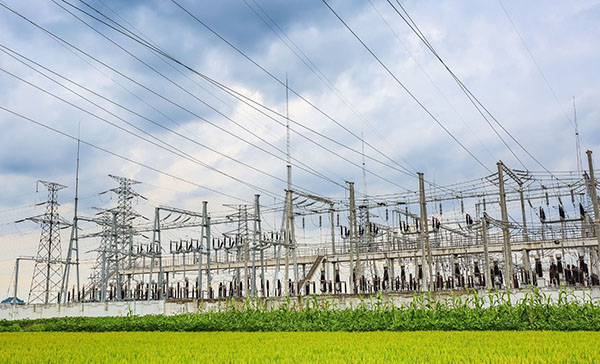
Insulation in high-voltage equipment plays a critical role in ensuring the safe and reliable operation of power systems. From transformers to high-voltage cables, ensuring the integrity of insulation is essential for preventing electrical faults, breakdowns, and costly outages. But how do you know if your insulation is truly up to the task?
This is where AC Resonant Test Systems come into play. These systems provide a highly accurate, efficient, and non-destructive way to test insulation on a wide range of electrical equipment. In this article, I’ll explain how AC Resonant Testing works, its benefits, and why it’s one of the most effective tools for maintaining the health of high-voltage insulation. Drawing from my experience in the field, I’ll also share some real-world examples to illustrate the practical advantages of using these systems.
Understanding the Importance of Insulation in High-Voltage Systems
Why Insulation Matters in Power Equipment
Insulation serves as the protective barrier that keeps electrical equipment operating safely. Without proper insulation, high-voltage equipment is vulnerable to electrical faults, short circuits, and catastrophic failures. The insulation system is responsible for isolating conductive parts, maintaining dielectric strength, and preventing current leakage.
- Preventing Electrical Failures: Insulation failures can lead to arcing, short circuits, or breakdowns that may cause power outages or damage to critical assets. A well-maintained insulation system ensures that high-voltage equipment functions reliably, protecting both the equipment and the grid.
- Insulation Deterioration: Over time, insulation materials can degrade due to environmental factors such as moisture, heat, or even chemical contamination. If not caught early, this deterioration can lead to severe equipment damage and costly repairs.
Common Causes of Insulation Failure
Understanding the causes of insulation failure is critical to preventing them. From my experience, the most common causes include:
- Environmental Factors: Insulation materials are highly susceptible to environmental conditions. High temperatures, humidity, pollution, and even salt in coastal areas can cause insulation to degrade over time.
- Aging and Voltage Stress: Insulation can also weaken due to the natural aging process and frequent exposure to high voltage or voltage spikes. This creates micro-cracks and weak points that, if left unchecked, can lead to failures.
- Mechanical Damage: Cables and transformers are often subject to mechanical stress during installation or operation, leading to tears or other physical damage in the insulation.
How AC Resonant Systems Detect Insulation Issues Early
Precision Testing with Minimal Stress on Equipment
One of the primary benefits of AC Resonant Test Systems is their ability to apply high test voltages with minimal stress on the equipment. By achieving resonance between inductance and capacitance, these systems can amplify voltage efficiently, ensuring accurate testing without over-stressing the insulation.
- Resonance-Based Testing: The system uses resonance to increase the voltage across the equipment being tested, making it possible to detect weaknesses in the insulation that might not be apparent at lower voltages.
- Real-Time Monitoring: During testing, the system continuously monitors voltage, current, and other critical parameters, providing immediate feedback on the insulation’s performance.
Real-World Example: I remember conducting a test on a transformer where the insulation had begun to degrade. Using AC Resonant Testing, we detected insulation weaknesses early in the process, allowing us to perform preventive maintenance before a major failure occurred. The test was non-destructive and didn’t add any unnecessary stress to the equipment.
Identifying Partial Discharge in Insulation
Partial discharge (PD) is one of the earliest indicators of insulation failure. These small electrical discharges within insulation materials are usually caused by voids, cracks, or impurities. AC Resonant Systems are equipped to detect these discharges, helping you identify and address insulation problems before they escalate.
- Why Partial Discharge Matters: PD is often a precursor to complete insulation breakdown. Even small discharges can eventually erode insulation materials, leading to larger and more dangerous electrical failures.
- AC Resonant Testing for PD Detection: When paired with partial discharge detectors, AC Resonant Test Systems can detect even the smallest PD signals, providing early warning of potential insulation failures.
Field Example: During a switchgear test, the AC Resonant System detected minor partial discharge activity, which allowed us to pinpoint a defect in the insulation. By addressing it early, we were able to avoid a potentially costly failure in a critical substation.
Key Benefits of Using AC Resonant Systems for Insulation Testing
Non-Destructive Testing
One of the biggest advantages of using AC Resonant Systems is that the testing process is non-destructive. Traditional high-voltage tests can sometimes overstress the equipment, potentially leading to insulation damage. However, AC Resonant Testing achieves resonance with minimal energy consumption, ensuring that the equipment is tested safely.
- Minimal Stress on Equipment: AC Resonant Testing applies voltage precisely and efficiently, reducing the risk of overstressing the insulation.
- Safe and Efficient: These systems are designed to deliver the required test voltage while minimizing the amount of energy used, making the testing process faster and safer for both the operator and the equipment.
Energy Efficiency and Cost Savings
Compared to other high-voltage testing methods, AC Resonant Test Systems are much more energy-efficient. This is particularly important when testing large transformers or long high-voltage cables, where traditional methods might require significant amounts of power.
- Lower Power Consumption: Since resonance allows the system to amplify voltage with minimal input energy, the overall power consumption is significantly reduced. This leads to cost savings, especially in large-scale testing scenarios.
Field Example: In one high-voltage cable test, we saved 50% of the power required by using AC Resonant Testing compared to older test methods. This not only reduced the cost of the test but also made it possible to perform more tests in a shorter time frame.
How AC Resonant Testing Ensures Compliance with Industry Standards
Meeting IEC and IEEE Standards for Insulation Testing
High-voltage insulation testing is governed by international standards such as IEC 60060 and IEEE 4, which outline the procedures for dielectric testing and partial discharge measurements. Ensuring compliance with these standards is essential for maintaining the reliability and safety of power systems.
- Industry Standards for Insulation Testing: Both IEC and IEEE standards specify how insulation should be tested, including the voltage levels required and the conditions under which the tests should be performed.
- Compliance Through Precision Testing: AC Resonant Test Systems allow you to perform these tests with precision, ensuring that the insulation meets the necessary safety standards. The real-time data provided during the test also makes it easier to demonstrate compliance during audits.
Example: During a substation upgrade, we used AC Resonant Testing to verify that all equipment met IEC and IEEE standards for insulation integrity. This ensured that the substation passed regulatory inspections without delays.
Generating Reliable Data for Audits and Reporting
One of the key benefits of AC Resonant Systems is their ability to log data in real-time. This data can be critical for compliance audits, as it provides proof that insulation testing has been performed correctly and that equipment meets regulatory standards.
- Data Logging and Reporting: The detailed data captured during testing ensures that any issues with insulation are well-documented, making future audits more straightforward.
- Simplifying Compliance Audits: Accurate test data and real-time monitoring ensure that your equipment is fully compliant with all relevant industry regulations.
Practical Applications of AC Resonant Systems for Insulation Testing
Transformer Insulation Testing
Transformers are some of the most critical assets in any power system, and their insulation needs to be thoroughly tested to ensure long-term reliability.
- Ensuring Transformer Reliability: Regular insulation testing helps identify issues before they lead to transformer failure, minimizing downtime and preventing catastrophic breakdowns.
Field Application: In a transformer test, AC Resonant Testing allowed us to identify minor insulation wear that would have been missed by other methods. This allowed for timely repairs and extended the life of the transformer.
High-Voltage Cable Testing
High-voltage cables are particularly vulnerable to environmental factors such as moisture, temperature extremes, and physical wear. Regular testing is essential to ensure the integrity of cable insulation.
- Ensuring Cable Integrity: Using AC Resonant Systems to test cables ensures that they can handle high operational stresses without risking insulation failure.
Real-World Example: During a routine cable test, AC Resonant Testing detected early signs of insulation degradation due to moisture ingress. By addressing the issue early, we prevented a potential failure that could have caused a costly outage.
Switchgear and GIS Testing
Gas-insulated switchgear (GIS) is often used in high-voltage systems, and insulation testing in these environments requires precision due to the high voltages and compact nature of the equipment.
- Maintaining GIS Systems: AC Resonant Systems offer the precision required to detect insulation defects in GIS, ensuring reliable operation in high-voltage environments.
Case Study: In a GIS test, we used AC Resonant Testing to identify partial discharge activity, indicating an insulation defect. This early detection allowed for targeted maintenance before the issue escalated.
Recap of Key Points
- AC Resonant Test Systems provide an effective, non-destructive method for testing insulation in high-voltage equipment, ensuring long-term reliability and safety.
- The ability to detect early insulation issues, such as partial discharge, makes these systems invaluable for preventing equipment failures.
- Their compliance with industry standards, energy efficiency, and real-time data logging capabilities further enhance their value in high-voltage testing.
From my experience, integrating AC Resonant Testing into your maintenance
schedule is a smart investment. Not only does it help detect insulation issues early, but it also ensures that your high-voltage equipment remains compliant with industry standards, avoiding costly failures and unplanned outages. If you’re serious about safeguarding your equipment’s insulation, AC Resonant Testing is the way to go.

 French
  English
  German
  Spanish
  Portuguese
  Vietnamese
  Afrikaans
  Amharic
  Arabic
  Aragonese
  Moroccan Arabic
  Assamese
  Azerbaijani
  South Azerbaijani
  Belarusian
  Bulgarian
  Bengali
  Tibetan
  Bosnian
  Catalan
  Czech
Czech  Danish
  Welsh
Welsh  Lower Sorbian
  Dzongkha
  Greek
Greek  Esperanto
  Estonian
  Basque
  Finnish
  Indonesian
  Italian
  Malayalam
  Latvian
  Panjabi
  Romanian
  Slovenian
  Russian