
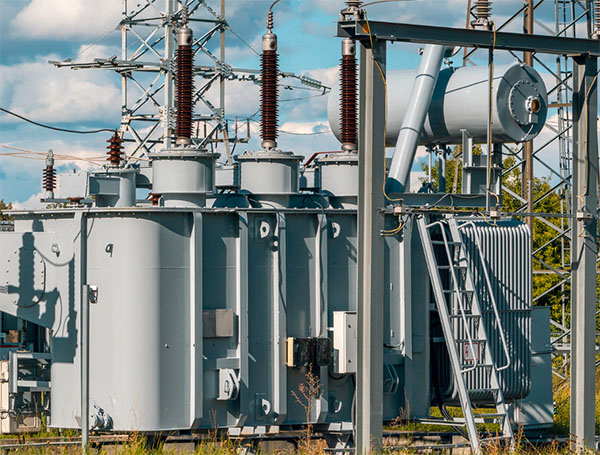
In the world of electrical power distribution, transformer oil plays a critical role in ensuring the safe and efficient operation of transformers. Transformer oil, also known as insulating oil, provides both electrical insulation and cooling for the transformer’s internal components. However, over time, transformer oil can degrade, leading to serious operational and safety risks.
In this article, we’ll explore the 10 warning signs that your transformer oil may be hiding problems that could compromise your transformer’s performance and lifespan. Ignoring these signs can lead to costly failures, unplanned outages, and even safety hazards. Drawing on years of experience in transformer maintenance and testing, I’ll also share practical tips on how to identify and address these issues.
The Importance of Transformer Oil in Power Systems
Transformer oil serves two primary functions: it insulates the transformer’s internal components from electrical faults and helps dissipate heat generated during operation. Keeping the oil in good condition is essential to ensure that the transformer operates efficiently and safely. But when oil degrades, its insulating and cooling properties diminish, putting the transformer at risk.
The Role of Dielectric Strength in Transformer Oil
Dielectric strength is a key property of transformer oil, representing its ability to resist electrical breakdown. Over time, contamination from moisture, acids, and sludge can reduce the oil’s dielectric strength, increasing the likelihood of electrical failures. Regular testing helps ensure that the oil retains its insulating capacity.
10 Warning Signs Your Transformer Oil Is a Hidden Threat
1. Cloudy or Discolored Oil
One of the most visible warning signs is cloudy or discolored oil. Healthy transformer oil should be clear, but contamination from moisture, oxidation, or suspended particles can cause it to become cloudy or take on a brownish hue.
Practical Tip: During routine maintenance, check the oil’s appearance. If it’s discolored, it may be time to conduct a deeper analysis, such as Dissolved Gas Analysis (DGA) or oil filtration.
2. Presence of Moisture
Moisture in transformer oil is a serious issue because it reduces the oil’s dielectric strength, leading to potential electrical breakdown. Moisture can enter the oil through leaks, condensation, or degradation of internal insulation materials.
Personal Anecdote: During an inspection of a transformer at a substation, we detected unusually high moisture levels using Karl Fischer titration. The oil had absorbed water over time due to inadequate sealing around the bushing, which was a ticking time bomb for electrical failure. We acted quickly to dehydrate the oil and prevent a costly outage.
3. High Acidity Levels
Over time, the byproducts of oil oxidation can lead to an increase in acid content, which accelerates the formation of sludge and damages the transformer’s insulation. This degradation can lead to insulation breakdown and reduce the transformer’s operational lifespan.
Practical Tip: Regular oil acidity testing should be part of your maintenance program. High acidity is a sign that the oil needs to be processed or replaced before more severe issues develop.
4. Sludge Formation
Sludge forms in transformer oil as a result of oxidation and contamination, particularly from aging and internal heating. It can settle on internal components, reducing their ability to cool efficiently and potentially causing hot spots that lead to insulation failure.
Practical Tip: Check for signs of sludge during inspections. Oil filtration or a complete oil change may be necessary if sludge is detected.
5. Low Dielectric Strength
A low dielectric strength means that the transformer oil can no longer insulate effectively, leading to electrical breakdowns or short circuits. This is often caused by moisture, contaminants, or aged oil.
Practical Tip: Perform regular dielectric breakdown voltage (BDV) tests on transformer oil to ensure it maintains its insulating properties. If the oil fails the BDV test, it’s time for treatment or replacement.
6. Presence of Dissolved Gases
Dissolved gases in transformer oil, such as hydrogen, methane, and ethylene, are clear indicators of internal arcing, overheating, or partial discharges. A Dissolved Gas Analysis (DGA) is essential for identifying these warning signs early before a major failure occurs.
Personal Anecdote: In one case, we performed a routine DGA test and found elevated levels of ethylene, indicating thermal overheating. This early detection allowed us to address the overheating before it damaged the windings.
7. Increased Viscosity
As transformer oil ages or becomes contaminated, its viscosity can increase, reducing its ability to flow and cool the transformer. Thickened oil struggles to transfer heat, leading to elevated operating temperatures.
Practical Tip: Regularly check the oil’s viscosity. If the oil becomes too thick, it won’t perform its cooling function effectively, and this can lead to overheating and insulation damage.
8. Foul Odor
A strong or foul odor coming from transformer oil is a sign of serious contamination, usually caused by degradation, moisture, or an internal fault. A burnt smell may indicate that internal arcing or overheating is occurring, which could lead to catastrophic failure.
Practical Tip: If you detect a foul odor during inspections, don’t ignore it—schedule an immediate oil analysis to determine the root cause.
9. Low Interfacial Tension (IFT)
Low Interfacial Tension (IFT) in transformer oil is another indicator of oil degradation. A low IFT value means that contaminants and oxidation byproducts are present, which reduce the oil’s ability to perform its protective role.
Practical Tip: Measure the IFT during regular maintenance. If the IFT is low, the oil is likely nearing the end of its useful life and should be replaced or treated.
10. Abnormal Operating Temperatures
When transformer oil is unable to dissipate heat effectively, the transformer may operate at higher-than-normal temperatures. This can accelerate insulation aging and lead to premature failure.
Practical Tip: Monitor the operating temperature of your transformer using thermographic imaging or regular temperature sensors. If temperatures rise unexpectedly, check the oil’s cooling capacity.
What to Do If You Notice These Warning Signs
Perform Regular Oil Testing
Routine oil testing, including DGA, BDV, and acidity testing, is essential for monitoring the health of transformer oil. Early detection of issues allows for preventive maintenance, reducing the likelihood of costly failures.
Treat or Replace Oil When Necessary
When issues such as moisture, sludge, or low dielectric strength are detected, it may be necessary to filter, dehydrate, or replace the transformer oil. Oil reconditioning can extend the life of the oil, while oil replacement ensures optimal performance.
Engage Professional Services
In some cases, particularly when warning signs point to significant oil contamination or internal damage, engaging a professional testing and maintenance service is essential. Professionals can conduct in-depth analyses and offer solutions that go beyond basic oil replacement.
Maintaining the health of your transformer oil is crucial to ensuring the long-term reliability and safety of your transformer. Ignoring the 10 warning signs outlined above can lead to unplanned outages, costly repairs, or catastrophic failures. By implementing regular oil testing, addressing issues promptly, and taking preventive action, you can extend the life of your transformer and avoid hidden threats lurking within the oil.

 Indonesian
  English
  German
  Spanish
  French
  Portuguese
  Vietnamese
  Afrikaans
  Amharic
  Arabic
  Aragonese
  Moroccan Arabic
  Assamese
  Azerbaijani
  South Azerbaijani
  Belarusian
  Bulgarian
  Bengali
  Tibetan
  Bosnian
  Catalan
  Czech
Czech  Danish
  Welsh
Welsh  Lower Sorbian
  Dzongkha
  Greek
Greek  Esperanto
  Estonian
  Basque
  Finnish
  Italian
  Malayalam
  Latvian
  Panjabi
  Romanian
  Slovenian
  Russian