
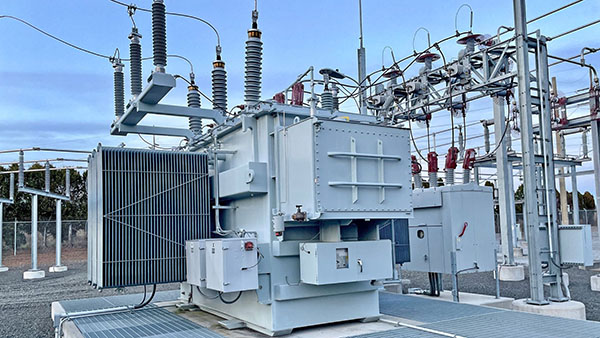
Transformer relays are critical protection devices in electrical systems, safeguarding transformers from faults such as overcurrent, short circuits, or overloads. These relays detect abnormal conditions and trip the circuit breaker to isolate the transformer, preventing severe damage. However, if a relay fails to operate correctly during a fault, it can lead to catastrophic transformer failure, prolonged outages, and costly repairs.
Regular relay testing is essential to ensure your transformer relay operates reliably when needed. In this article, we will explore the five key tests that can determine whether your transformer relay is ready for failure or fully operational. By conducting these tests regularly, you can ensure your relay will respond appropriately in case of a fault, protecting your transformer and the entire system.
Why Transformer Relay Testing Is Critical
Relays are vital components in transformer protection systems, as they monitor electrical conditions and trigger circuit breakers when faults are detected. However, over time, relays can degrade due to factors such as environmental exposure, mechanical wear, or electrical stresses. A malfunctioning relay may fail to trip during a fault, leaving the transformer vulnerable to severe damage.
Key Reasons for Relay Testing
- Ensure Reliable Operation: Testing ensures that the relay can detect faults accurately and trip the circuit breaker within the specified time.
- Prevent Transformer Damage: A faulty relay can delay fault interruption, leading to transformer overheating, insulation breakdown, and potential transformer failure.
- Minimize Downtime: Regular testing reduces the risk of relay failure, preventing prolonged outages and ensuring that protective systems work as intended.
- Comply with Safety Standards: Ensuring relays function properly is critical to meeting electrical safety regulations and protecting personnel from electrical hazards.
The 5 Key Tests for Transformer Relays
To verify that your transformer relay is ready for operation, it’s crucial to conduct these five essential tests. Each test evaluates different aspects of the relay’s performance, from its response time to its ability to handle fault conditions accurately.
1. Pickup Test
The pickup test verifies that the relay correctly responds to fault currents by “picking up” or activating when the monitored current or voltage reaches a predetermined threshold. This is the first step in ensuring the relay will operate correctly when a fault occurs.
- How It Works: The relay is subjected to gradually increasing current or voltage until it reaches the pickup value. This is the minimum value at which the relay detects an abnormal condition and begins to operate.
- What It Detects: This test checks for calibration issues, ensuring that the relay picks up at the right threshold and isn’t too sensitive or too delayed in response.
- Why It’s Critical: If the pickup threshold is too high or too low, the relay may fail to respond to faults or trip unnecessarily, leading to false alarms or equipment damage.
Practical Tip: Conduct pickup tests regularly and compare the results to the relay’s original settings to ensure it is still calibrated correctly.
2. Timing Test
The timing test evaluates the relay’s ability to trip within the specified time frame after detecting a fault. It is critical for the relay to operate within milliseconds to prevent damage during fault conditions.
- How It Works: The relay is subjected to fault conditions, and the time it takes to trip (open the circuit breaker) is measured. This test ensures that the relay meets its time delay settings for different fault levels.
- What It Detects: Timing tests detect slow or inconsistent relay operation, which could result from mechanical wear or electrical faults in the relay’s internal components.
- Why It’s Critical: Delayed relay operation can lead to prolonged fault exposure, increasing the risk of transformer damage, equipment failure, and downtime.
Practical Tip: Conduct timing tests as part of routine maintenance to verify that the relay trips within its specified time for both small and large fault currents.
3. Trip Test
The trip test confirms that the relay can send a trip signal to the circuit breaker to interrupt the fault current and isolate the transformer. This test ensures the entire protection system—relay and breaker—works together as expected.
- How It Works: A fault condition is simulated, and the relay is observed to confirm it sends a trip signal to the circuit breaker. The circuit breaker must successfully open and isolate the transformer.
- What It Detects: Trip tests detect faulty relay contacts or communication issues between the relay and circuit breaker that could prevent proper tripping.
- Why It’s Critical: If the relay fails to send a trip signal, the breaker won’t operate, leaving the transformer exposed to damaging fault currents.
Practical Tip: Perform trip tests frequently, especially after system upgrades or relay maintenance, to ensure proper communication between the relay and the breaker.
4. Overcurrent Setting Test
The overcurrent setting test verifies that the relay’s settings for overcurrent protection are accurate. Overcurrent protection prevents the transformer from being damaged by excessive currents due to faults like short circuits or overloads.
- How It Works: The relay is tested by injecting current levels that exceed the normal operating range. The test confirms that the relay triggers at the correct overcurrent threshold and trips the breaker to stop the fault current.
- What It Detects: This test identifies incorrect overcurrent settings that could lead to under-protection (not tripping when needed) or over-protection (tripping unnecessarily during minor fluctuations).
- Why It’s Critical: Incorrect settings can cause the relay to fail during an actual overcurrent event, putting the transformer at risk of serious damage.
Practical Tip: Regularly verify and adjust overcurrent settings, particularly when transformer loading conditions change, to ensure the relay provides proper protection.
5. Functional Testing
Functional testing is a comprehensive evaluation of the relay’s overall performance, ensuring that it operates as expected under various fault conditions. This test checks all key relay functions, including pickup, timing, and tripping.
- How It Works: The relay is subjected to simulated fault conditions, including overcurrent, undercurrent, and voltage fluctuations. Its ability to detect these conditions, trip the breaker, and reset after a fault is tested.
- What It Detects: Functional testing detects any mechanical, electrical, or calibration issues that may prevent the relay from operating as designed.
- Why It’s Critical: Functional testing verifies the complete functionality of the relay, ensuring that all protection mechanisms work properly under real-world conditions.
Practical Tip: Perform functional testing as part of annual maintenance or when relays are replaced or recalibrated to confirm full operational readiness.
How Relay Testing Prevents Transformer Failures
By regularly performing relay tests, you can catch potential issues early and prevent relay failure, reducing the risk of costly transformer damage. Here’s how relay testing can save you from significant downtime and repair costs:
1. Early Detection of Relay Malfunctions
Relay testing helps identify worn contacts, miscalibration, or mechanical issues that could cause the relay to fail during an actual fault. By catching these problems early, you can perform repairs or recalibration before a failure occurs.
- Cost Savings: Early detection of relay issues prevents transformer damage and reduces the need for expensive emergency repairs.
2. Improving System Reliability
Well-maintained relays ensure that the transformer protection system operates reliably and efficiently. Testing helps confirm that relays will respond accurately to faults, reducing the likelihood of system-wide failures.
- Cost Savings: Regular relay testing enhances system reliability, preventing transformer failures that could lead to long periods of downtime and lost revenue.
3. Preventing Transformer Damage
Faulty relays that fail to trip during a fault can leave the transformer exposed to overcurrent and short circuits, resulting in significant damage. Testing ensures relays trip as needed to prevent electrical stress on the transformer.
- Cost Savings: Proper relay operation protects your transformer from damage, avoiding costly repairs or replacements.
4. Extending Transformer and Relay Lifespan
Routine testing not only ensures relay performance but also reduces the risk of electrical stress on the transformer, helping extend the life of both the transformer and the protective relay.
- Cost Savings: Extending the lifespan of transformers and relays delays expensive replacements and minimizes overall maintenance costs.
Best Practices for Transformer Relay Testing
To maximize the effectiveness of transformer relay testing, follow these best practices:
- Test regularly: Establish a regular testing schedule based on manufacturer recommendations and operational conditions. Annual or bi-annual testing is often recommended for critical systems.
- Record test results: Keep detailed records of relay test results, including calibration values and test outcomes. This allows you to track changes over time and make informed maintenance decisions.
- Verify settings: Ensure relay settings, such as pickup thresholds and time delays, are appropriate for the transformer’s current load conditions. Adjust settings as necessary to provide accurate protection.
- Combine with breaker testing: Test relays alongside circuit breakers to verify that the protection system works cohesively, ensuring that relays send trip signals and breakers open as expected.
Relay testing is an essential component of transformer system maintenance, ensuring that protective devices operate effectively when needed. By conducting critical tests such as the pickup test, timing test, and trip test, you can verify that your relay will respond to fault conditions and prevent transformer damage. Regular testing reduces
the risk of unexpected relay failures, protects your transformer from costly breakdowns, and extends the life of your equipment.
Don’t wait until it’s too late—schedule relay testing today to keep your transformer system running safely and reliably.
Need help with transformer relay testing? Contact us to schedule a comprehensive assessment of your protection systems!

 Indonesian
  English
  German
  Spanish
  French
  Portuguese
  Vietnamese
  Afrikaans
  Amharic
  Arabic
  Aragonese
  Moroccan Arabic
  Assamese
  Azerbaijani
  South Azerbaijani
  Belarusian
  Bulgarian
  Bengali
  Tibetan
  Bosnian
  Catalan
  Czech
Czech  Danish
  Welsh
Welsh  Lower Sorbian
  Dzongkha
  Greek
Greek  Esperanto
  Estonian
  Basque
  Finnish
  Italian
  Malayalam
  Latvian
  Panjabi
  Romanian
  Slovenian
  Russian