
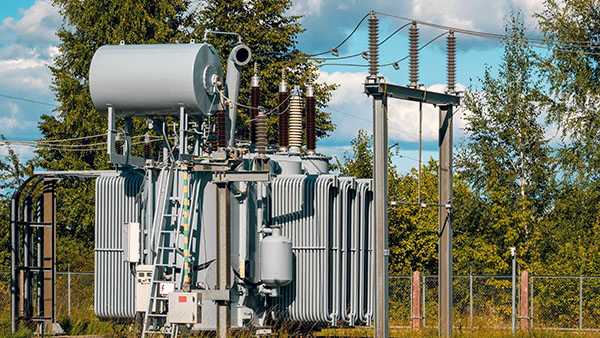
Transformers are at the heart of the electrical grid, converting high-voltage power to usable levels and ensuring that electricity is delivered efficiently across long distances. As such, ensuring the health of transformers through regular electrical testing is not just a matter of routine; it’s an essential part of maintaining the integrity and reliability of the electrical system.
For electric power industry professionals, understanding the importance of regular electrical testing for transformer health is crucial. This article will explore why these tests are necessary, how they can be effectively conducted, and the benefits they offer in terms of longevity, reliability, and safety. We’ll also discuss common testing methods, best practices, and the latest tools and technologies that can streamline the process.
Why Regular Electrical Testing is Crucial for Transformers
The main role of transformers is to step voltage up or down, making them susceptible to various internal stresses over time. This constant load, combined with factors like temperature fluctuations, environmental conditions, and mechanical strain, can lead to wear and tear on the transformer components. Without regular electrical testing, these issues can go unnoticed, leading to costly failures, unexpected downtime, and even safety hazards.
1. Early Detection of Faults
Transformers operate under high stress, and even minor issues can escalate quickly if left unaddressed. Regular testing helps detect potential problems such as insulation degradation, winding failures, or overheating before they become major faults. The earlier a problem is detected, the easier and cheaper it is to repair.
Personal Anecdote:
I once worked on a high-voltage transformer in a major power station where, after performing routine insulation resistance tests, we identified a slow but steady decline in the insulation quality. At first, the decline seemed insignificant, but further investigation revealed a developing fault that could have led to a catastrophic failure within weeks. Because we caught it early, we were able to replace the insulation at a fraction of the cost of a complete transformer replacement.
2. Improving Operational Efficiency
A healthy transformer runs more efficiently, delivering power at optimal levels. Poor insulation, corrosion, or mechanical issues can cause a transformer to run less efficiently, increasing operational costs and affecting grid stability. Regular testing ensures that transformers are performing at their best, saving energy and minimizing losses.
3. Ensuring Compliance with Industry Standards
Regular electrical testing helps ensure compliance with industry standards and regulatory requirements. Regulatory bodies, such as the IEEE (Institute of Electrical and Electronics Engineers) and IEC (International Electrotechnical Commission), set standards for transformer performance, and regular testing ensures that transformers meet these standards. Failure to comply could result in fines, legal issues, and safety concerns.
4. Extending Transformer Lifespan
Like any other equipment, regular maintenance is key to prolonging the life of transformers. Electrical testing allows for the identification of issues that could cause premature aging of components, such as insulation breakdown, arcing, or overheating. By addressing these issues early, you can extend the lifespan of your transformers and avoid expensive replacements.
5. Enhancing Safety
Transformers are critical assets in the power grid, and a failure can lead to dangerous situations. Regular electrical testing helps identify risks such as electrical faults, overheating, or insulation failure, which could lead to fire, electrical shocks, or even explosions. Preventive testing minimizes these risks and ensures a safer working environment for operators and the public.
Common Electrical Tests for Transformers
Electrical testing of transformers involves a series of checks to assess the condition of various components. Below are some of the most common electrical tests performed on transformers:
1. Insulation Resistance Test (IR Test)
The insulation resistance test is one of the most critical tests for evaluating transformer health. This test checks the integrity of the transformer’s insulation by measuring the resistance between the windings and the transformer’s core. A significant drop in insulation resistance can indicate issues such as moisture ingress, contamination, or material degradation.
- How to Perform: The test is typically conducted using a megohmmeter, applying a high DC voltage to the windings and measuring the resulting current. Resistance levels below the manufacturer’s recommended value suggest a potential risk for failure.
2. Winding Resistance Test
This test checks the continuity and condition of the transformer windings. Winding resistance is measured to detect any short circuits, open circuits, or imbalances in the windings, which can affect transformer efficiency and operation.
- How to Perform: A low-resistance ohmmeter is used to measure the resistance of each winding. Differences in resistance between windings can indicate winding damage, misalignment, or other issues that need to be addressed.
3. Turns Ratio Test
The turns ratio test compares the ratio of primary to secondary windings to verify that the transformer is correctly stepping voltage up or down as expected. A change in this ratio can indicate winding damage or faults within the transformer.
- How to Perform: A transformer turns ratio tester applies a low-voltage signal to the primary winding and measures the corresponding voltage on the secondary winding. A ratio that deviates from the specified value indicates a fault.
4. Power Factor (Tan Delta) Test
This test evaluates the dielectric properties of the transformer’s insulation system by measuring the power factor or the dissipation factor. A high power factor indicates aging insulation, which can result in a higher risk of failure.
- How to Perform: A high-voltage AC signal is applied to the transformer’s insulation, and the phase difference between the applied voltage and the resulting current is measured. Higher dissipation indicates insulation degradation.
5. Dielectric Strength Test
The dielectric strength test checks the transformer oil or insulation paper’s ability to withstand high voltages without breaking down. It is crucial for ensuring that the transformer’s insulation will not fail during normal operation.
- How to Perform: A high-voltage AC or DC test is applied to the oil or insulation system to measure its breakdown voltage.
6. Vibration and Noise Analysis
Though not strictly an “electrical” test, vibration and noise analysis are essential for identifying mechanical problems in transformers. Issues such as loose connections, misalignments, and resonance can cause the transformer to vibrate, which may lead to mechanical wear and electrical faults.
- How to Perform: Vibration sensors are placed on the transformer casing or support structure to measure vibrations. Abnormal patterns can help detect mechanical issues that might affect transformer performance.
Best Practices for Transformer Electrical Testing
1. Routine Scheduling
Electrical testing should be a regular part of your transformer maintenance program. While the frequency may vary based on the transformer’s age, operational environment, and criticality, an annual or semi-annual testing schedule is often recommended. For high-demand or aging transformers, testing may need to be more frequent.
2. Use the Right Tools
Make sure to use accurate and calibrated testing equipment to ensure reliable results. Invest in advanced testing devices, such as transformer diagnostic kits, that can perform multiple tests simultaneously and provide real-time data analysis.
3. Track and Document Results
Regular testing means you’ll accumulate a lot of data over time. It’s essential to maintain detailed records of all tests performed and any abnormalities found. This documentation helps track the transformer’s condition over time and provides valuable insights for planning future maintenance or replacements.
4. Interpret Results Professionally
Testing results can sometimes be ambiguous. It’s essential to have skilled professionals who can accurately interpret the data and determine the severity of any issues. Understanding the root cause of issues (e.g., environmental stress, operational load) is key to creating a targeted solution.
5. Follow Industry Standards
Adhering to industry standards such as IEEE, IEC, or local regulatory requirements is essential for ensuring that your electrical testing is compliant. These standards help set acceptable limits for the test results and ensure safety and performance.
Benefits of Regular Electrical Testing
1. Reduced Downtime
By identifying potential problems early, you can take corrective action before the transformer fails, minimizing downtime and service interruptions.
2. Cost Savings
By catching issues early, you can avoid expensive repairs and transformer replacements. Preventive testing is much more cost-effective than dealing with the aftermath of a catastrophic failure.
3. Increased Safety
Routine testing ensures that any risks related to electrical faults, overheating, or insulation failure are detected before they can cause harm to personnel or the surrounding environment.
4. Improved Reliability
Transformers that are regularly tested are more likely to operate at peak efficiency, reducing the chances of unexpected failures and improving the overall reliability of the power grid.
Future Trends in Transformer Testing
As the power grid evolves and becomes more complex with the integration of renewable energy sources, regular electrical testing of transformers will become even more critical. Future trends include:
- IoT and Remote Monitoring: Integrating IoT technology with transformers will allow for real-time, remote monitoring of performance metrics, enabling more proactive maintenance.
- Machine Learning: By using machine learning algorithms, predictive maintenance systems will be able to forecast potential failures based on historical data, providing even more advanced early warnings.
- Automation: Automated testing equipment will streamline the testing process, making it easier to perform complex diagnostic tests while reducing human error.
Conclusion
Regular electrical testing is not just a best practice; it’s a necessity for ensuring transformer health. From detecting early signs of faults to improving efficiency and ensuring safety, regular testing enables you to catch potential problems before they escalate into catastrophic failures. By implementing a structured electrical testing program, using the right tools, and following industry best practices, you can extend the lifespan of your transformers, reduce downtime, and enhance the reliability of your power grid.
With advances in testing technology and predictive analytics, the future of transformer health management is looking brighter than ever. Adapt your testing practices to stay ahead of

 Indonesian
  English
  German
  Spanish
  French
  Portuguese
  Vietnamese
  Afrikaans
  Amharic
  Arabic
  Aragonese
  Moroccan Arabic
  Assamese
  Azerbaijani
  South Azerbaijani
  Belarusian
  Bulgarian
  Bengali
  Tibetan
  Bosnian
  Catalan
  Czech
Czech  Danish
  Welsh
Welsh  Lower Sorbian
  Dzongkha
  Greek
Greek  Esperanto
  Estonian
  Basque
  Finnish
  Italian
  Malayalam
  Latvian
  Panjabi
  Romanian
  Slovenian
  Russian