
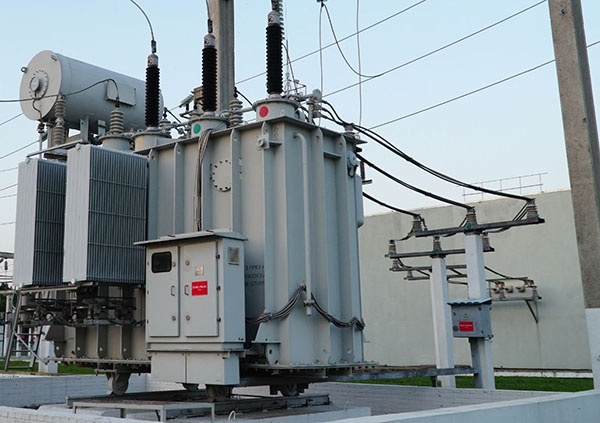
Transformers are the unsung heroes of electrical power systems, ensuring the seamless transmission and distribution of electricity from generation sources to consumers. However, during periods of peak demand, transformers often face significant load stress, which can lead to overheating, reduced efficiency, and even catastrophic failures. As a professional electrical testing expert with over 25 years of experience in the electric power industry, I have witnessed firsthand the detrimental effects of load stress on transformers. This comprehensive guide explores strategies to reduce load stress on transformers, offering detailed, practical solutions for electric power industry workers to enhance transformer reliability, extend their lifespan, and maintain a stable power supply.
Importance of Reducing Load Stress on Transformers
Preventing Overheating and Failures
Excessive load stress can cause transformers to overheat, degrading insulation materials and accelerating wear and tear on components. This not only shortens the lifespan of transformers but also increases the risk of unexpected failures, leading to costly outages and repairs.
Enhancing Efficiency
Operating transformers within their optimal load ranges ensures maximum efficiency. Overloaded transformers suffer from increased energy losses and reduced performance, which can adversely affect the entire power distribution system.
Extending Transformer Lifespan
By minimizing load stress, transformers experience less mechanical and thermal strain, which prolongs their operational life. This reduces the frequency of replacements and lowers capital expenditure on new equipment.
Ensuring Grid Stability and Reliability
Balanced load distribution contributes to the overall stability and reliability of the power grid. Preventing transformer overloads ensures a consistent and dependable electricity supply to consumers, enhancing customer satisfaction and trust.
Strategies to Reduce Load Stress on Transformers
1. Implement Load Forecasting and Planning
Importance of Accurate Load Forecasting
Accurate load forecasting is the cornerstone of effective load management. It enables utility companies to anticipate demand fluctuations and prepare accordingly, ensuring that transformers are not subjected to unexpected load surges.
How-To Guide:
- Collect Historical Load Data:
- Gather data on past load patterns, considering seasonal variations, peak usage times, and long-term growth trends.
- Use Predictive Analytics:
- Employ statistical models and machine learning algorithms to predict future load demands based on historical data and anticipated changes in consumption.
- Plan for Contingencies:
- Develop contingency plans for unexpected demand spikes, such as deploying additional transformers or activating demand response programs.
2. Optimize Load Distribution
Importance of Balanced Load Distribution
Evenly distributing electrical loads across multiple transformers prevents any single transformer from becoming overburdened, thereby reducing stress and enhancing system resilience.
Best Practices:
- Parallel Operation of Transformers:
- Operate multiple transformers in parallel to share the electrical load proportionally, increasing overall system capacity and reliability.
- Dynamic Load Balancing:
- Utilize automated systems to continuously adjust load distributions in real-time based on current demand and transformer capacities.
- Phase Balancing:
- Ensure that loads are evenly distributed across all phases to prevent phase-specific stress and inefficiencies.
3. Enhance Transformer Cooling Systems
Importance of Effective Cooling
Proper cooling is essential for maintaining transformer temperatures within safe operational limits. Enhanced cooling systems help dissipate heat more efficiently, reducing the risk of overheating during peak loads.
How-To Guide:
- Upgrade Cooling Equipment:
- Install advanced cooling technologies, such as oil pumps, fans, or heat exchangers, to improve heat dissipation.
- Regular Maintenance:
- Conduct routine inspections and maintenance of cooling systems to ensure they are functioning optimally and free from obstructions.
- Monitor Cooling Performance:
- Use temperature sensors and thermal imaging cameras to continuously monitor the effectiveness of cooling systems and make adjustments as needed.
4. Implement Demand Response Programs
Importance of Demand Response
Demand response programs incentivize consumers to reduce or shift their electricity usage during peak periods, alleviating load stress on transformers and enhancing grid stability.
How-To Guide:
- Identify Peak Demand Periods:
- Use load forecasting data to determine times of high electricity demand.
- Develop Incentive Structures:
- Create programs that offer financial incentives or rebates to consumers who reduce their usage during peak times.
- Promote Participation:
- Educate consumers about the benefits of demand response and encourage their active participation through marketing and outreach initiatives.
5. Utilize Energy Storage Solutions
Importance of Energy Storage
Energy storage systems, such as batteries, can store excess energy during low-demand periods and release it during peak times, thereby smoothing out demand fluctuations and reducing load stress on transformers.
Best Practices:
- Integrate Battery Storage:
- Deploy battery storage systems strategically across the grid to provide backup power and assist in load balancing.
- Optimize Charging and Discharging Cycles:
- Use intelligent control systems to manage the charging and discharging of batteries based on real-time demand and supply conditions.
- Monitor Energy Storage Performance:
- Continuously track the performance of energy storage systems to ensure they are operating efficiently and effectively.
6. Upgrade to High-Efficiency Transformers
Importance of High-Efficiency Transformers
High-efficiency transformers are designed to operate with lower energy losses and better thermal performance, making them more resilient to load stress and reducing overall operational costs.
How-To Guide:
- Assess Current Transformer Efficiency:
- Conduct energy audits to evaluate the efficiency levels of existing transformers.
- Select High-Efficiency Models:
- Choose transformers that meet or exceed industry efficiency standards for new installations or replacements.
- Plan for Gradual Upgrades:
- Implement a phased approach to upgrade transformers, prioritizing those that are most prone to overloads or have the highest energy losses.
7. Conduct Regular Maintenance and Inspections
Importance of Preventive Maintenance
Regular maintenance and inspections are crucial for identifying and addressing issues before they escalate, ensuring that transformers operate smoothly and efficiently under varying load conditions.
Best Practices:
- Develop a Maintenance Schedule:
- Create a comprehensive maintenance plan that includes routine inspections, testing, and servicing of transformers and their components.
- Use Advanced Diagnostic Tools:
- Employ tools such as infrared cameras, vibration analyzers, and dissolved gas analysis (DGA) equipment to detect early signs of transformer stress or failure.
- Document Maintenance Activities:
- Keep detailed records of all maintenance activities, inspections, and findings to track transformer health over time and inform future maintenance strategies.
Troubleshooting Load Stress Issues
Issue 1: Transformer Overheating
Cause:
Excessive load, inadequate cooling, or poor ventilation can lead to overheating, damaging transformer components and reducing efficiency.
Symptoms:
- Elevated transformer temperatures
- Increased insulation resistance
- Tripping of protective devices
Solution:
- Identify Overloaded Transformers:
- Use real-time monitoring data to pinpoint transformers operating above their rated capacity.
- Redistribute Loads:
- Adjust load distributions to balance the electrical demand across multiple transformers.
- Enhance Cooling Systems:
- Upgrade or repair cooling equipment to improve heat dissipation and maintain safe operating temperatures.
Issue 2: Load Imbalance
Cause:
Uneven distribution of electrical loads across phases can create load imbalances, causing certain transformers to bear more stress than others.
Symptoms:
- Uneven voltage levels across phases
- Increased neutral currents
- Reduced transformer efficiency
Solution:
- Conduct Phase Balancing:
- Analyze load distribution across all phases and adjust loads to achieve a balanced distribution.
- Implement Automated Balancing Systems:
- Use automated systems to dynamically adjust loads and maintain phase balance in real-time.
- Regularly Audit Load Distribution:
- Perform periodic load audits to ensure ongoing balance and address any imbalances promptly.
Issue 3: Inadequate Load Forecasting
Cause:
Inaccurate load forecasting can lead to improper load management, resulting in transformer overloading or underutilization.
Symptoms:
- Unexpected transformer stress
- Frequent maintenance issues
- Inefficient energy use
Solution:
- Improve Forecasting Models:
- Use advanced statistical and machine learning models to enhance the accuracy of load forecasts.
- Incorporate Real-Time Data:
- Integrate real-time data into forecasting models to capture dynamic changes in load demand.
- Regularly Update Forecasts:
- Continuously update load forecasts based on new data and evolving consumption patterns.
Issue 4: Faulty Cooling Systems
Cause:
Malfunctioning cooling systems can prevent transformers from dissipating heat effectively, leading to overheating and increased load stress.
Symptoms:
- Consistently high transformer temperatures
- Reduced cooling efficiency
- Increased risk of transformer failure
Solution:
- Inspect Cooling Equipment:
- Regularly inspect cooling systems for signs of wear, damage, or malfunction.
- Perform Preventive Maintenance:
- Conduct routine maintenance on cooling components to ensure they are functioning optimally.
- Upgrade Cooling Systems:
- Replace outdated or inefficient cooling equipment with modern, high-efficiency alternatives to enhance heat dissipation.
Essential Tools for Reducing Load Stress on Transformers
Load Monitoring Systems
Purpose: Continuously track and analyze electrical loads on transformers to ensure balanced and optimal load distribution.
Usage: Deploy load monitoring systems to collect real-time data, generate alerts for load imbalances, and provide insights for load optimization strategies.
Thermal Imaging Cameras
Purpose: Detect hotspots and temperature anomalies in transformers, indicating potential load stress or cooling inefficiencies.
Usage: Conduct regular thermal scans during inspections to identify areas of excessive heat, enabling timely interventions to prevent overheating.
Supervisory Control and Data Acquisition
Purpose: Centralize
and automate the monitoring and control of transformer loads, enhancing real-time decision-making and load management.
Usage: Implement SCADA systems to gather data from load monitoring devices, visualize load distributions, and execute automated load balancing based on predefined rules and real-time data.
Power Quality Analyzers
Purpose: Assess the quality of electrical power, identifying issues such as harmonics, voltage fluctuations, and power factor deviations that can contribute to transformer load stress.
Usage: Use power quality analyzers to perform regular assessments of electrical parameters, ensuring that transformers operate within optimal electrical conditions and preventing load-related inefficiencies.
Advanced Analytics Software
Purpose: Analyze large volumes of load data to uncover patterns, predict potential issues, and optimize load distribution strategies.
Usage: Utilize advanced analytics software to process historical and real-time load data, providing actionable insights that inform proactive maintenance and load management decisions.
IoT-Enabled Sensors
Purpose: Enable continuous and remote monitoring of transformer load levels and environmental conditions.
Usage: Install IoT-enabled sensors on transformers to collect real-time data on electrical and thermal parameters, facilitating remote monitoring and enabling swift responses to load stress conditions.
Computerized Maintenance Management Systems (CMMS)
Purpose: Centralize maintenance records, schedule inspections, and track load monitoring data.
Usage: Use CMMS to organize and access maintenance activities, integrate load monitoring insights into maintenance plans, and ensure that all load-related issues are addressed promptly and effectively.
Benefits of Reducing Load Stress on Transformers
Improved Transformer Efficiency
Balanced load distribution ensures that transformers operate near their peak efficiency, minimizing energy losses and enhancing overall system performance.
Cost Savings
Proactive load management reduces the need for emergency repairs and extends transformer lifespan, leading to significant long-term savings. Additionally, optimizing load distribution minimizes energy losses, lowering operational costs.
Enhanced Grid Reliability
Effective load management enhances the stability and reliability of the power grid, reducing the likelihood of power outages and ensuring a consistent supply of electricity to consumers.
Extended Transformer Lifespan
Consistently managing and balancing loads reduces wear and tear on transformers, extending their operational life and decreasing the frequency of replacements and major repairs.
Increased Safety
Preventing transformer overloads and failures through load stress reduction minimizes the risk of electrical fires, explosions, and other safety hazards, ensuring a safer working environment for maintenance personnel and the public.
Regulatory Compliance
Maintaining balanced load distributions and thorough load monitoring helps meet industry standards and regulatory requirements, avoiding legal penalties and enhancing organizational credibility.
Real-World Case Studies
Case Study 1: Enhancing Transformer Reliability through Proactive Load Management
Background: A major utility company managed a network of large power transformers supplying electricity to urban and rural areas. Frequent transformer failures during peak demand periods were causing widespread power outages and customer dissatisfaction.
Challenge: Initial assessments revealed that inadequate load management was leading to transformer overloading and frequent failures. Existing maintenance practices lacked comprehensive monitoring capabilities.
Solution: The maintenance team implemented a state-of-the-art load monitoring system, integrating SCADA systems, advanced load monitoring software, and IoT-enabled sensors. They established baseline load profiles and set up automated alerts for any deviations from normal load conditions.
Outcome: Transformer failures related to load overloading decreased by 70%, power outages during peak periods were significantly reduced, and overall grid reliability improved. Customer satisfaction increased due to more consistent power supply, and operational costs were lowered through reduced emergency repairs and optimized transformer usage.
Case Study 2: Reducing Maintenance Costs through Advanced Load Analytics
Background: An industrial manufacturing plant relied heavily on transformers to power its operations. Frequent transformer overheating incidents were causing production downtimes and escalating maintenance costs.
Challenge: The plant’s existing load management practices were reactive rather than proactive, leading to frequent unexpected transformer failures and high maintenance expenses.
Solution: The facility adopted advanced load analytics tools that provided detailed insights into load patterns and transformer performance. By analyzing historical load data and implementing real-time monitoring, the maintenance team could identify and address load imbalances before they led to overheating. Additionally, predictive maintenance strategies were developed using AI-powered analytics to forecast potential transformer issues based on load trends.
Outcome: Maintenance costs related to transformer issues decreased by 60%, overheating incidents were eliminated, and transformer lifespan was extended by an average of four years. Efficient load management ensured reliable transformer performance, maintaining uninterrupted manufacturing operations and reducing operational disruptions.
Case Study 3: Enhancing Safety through Effective Load Monitoring
Background: A municipal utility provider experienced safety hazards due to transformer overheating, posing risks of electrical fires and infrastructure damage.
Challenge: Inadequate real-time load monitoring led to undetected load imbalances and overheating conditions, resulting in safety incidents. Existing monitoring tools were outdated and lacked real-time capabilities.
Solution: The maintenance team upgraded to modern load monitoring systems, including high-precision sensors, SCADA integration, and advanced analytics software. They implemented real-time monitoring and automated alert systems to detect and respond to load imbalances promptly. Regular training sessions were conducted to ensure effective use of the new tools.
Outcome: Safety incidents related to transformer overheating were eliminated, transformer reliability improved, and the utility achieved compliance with enhanced safety regulations. The continuous load monitoring practices ensured that transformers operated within safe load ranges, protecting both personnel and infrastructure.
Conclusion
Reducing load stress on transformers is a critical aspect of transformer maintenance that significantly influences transformer efficiency, lifespan, and overall power system reliability. By implementing best practices—such as accurate load forecasting, optimizing load distribution, enhancing cooling systems, implementing demand response programs, utilizing energy storage solutions, upgrading to high-efficiency transformers, and conducting regular maintenance and inspections—electric power industry workers can effectively manage load stress and maximize transformer performance.
Key Takeaways:
- Implement Load Forecasting and Planning: Use accurate forecasting to anticipate and prepare for load fluctuations, ensuring transformers are not subjected to unexpected surges.
- Optimize Load Distribution: Balance electrical loads across multiple transformers to prevent overloading and enhance system resilience.
- Enhance Cooling Systems: Improve transformer cooling mechanisms to dissipate heat effectively and maintain safe operating temperatures.
- Utilize Demand Response Programs: Engage consumers in reducing or shifting their electricity usage during peak periods to alleviate load stress.
- Adopt Energy Storage Solutions: Use batteries and other storage systems to manage demand fluctuations and support load balancing.
- Upgrade to High-Efficiency Transformers: Invest in transformers that offer better energy efficiency and thermal performance to reduce load stress.
- Conduct Regular Maintenance and Inspections: Ensure transformers and their components are well-maintained and functioning optimally to handle varying loads.
- Leverage Advanced Technologies: Integrate AI, ML, blockchain, and IoT technologies to enhance load management capabilities and drive proactive maintenance strategies.
- Foster Skilled Personnel: Invest in continuous training and cross-training to ensure maintenance teams are proficient in load stress reduction techniques and the use of advanced tools.
By prioritizing load stress reduction and adopting these strategies, electric power industry workers can ensure the reliable and efficient operation of transformers, avoid costly failures, enhance safety, and maintain a stable and resilient power distribution network for the future.
Additional Resources
Recommended Reading and References
- Books and Articles:
- Transformer Engineering: Design, Technology, and Diagnostics by S.V. Kulkarni and S.A. Khaparde
- Practical Transformer Engineering and Maintenance by Gordon Chidley
- Electrical Transformers and Power Equipment Maintenance by C. Russell Mason
- Industry Standards:
- IEEE Standards for Transformer Testing and Maintenance
- IEC Standards for Electrical Transformers and Accessories
Training and Certification Programs
- Courses:
- Advanced Load Management – Offered by IEEE
- Smart Grid Technologies – Available through online platforms like Coursera and Udemy
- Transformer Diagnostics and Troubleshooting – Provided by technical training institutes
- Workshops and Seminars:
- Annual Transformer Maintenance Symposium
- Smart Grid and Transformer Technology Workshops hosted by major utility companies
- Hands-On Transformer Diagnostic Training Sessions
Contact Information for Experts
- Professional Networks:
- Join the IEEE Power & Energy Society for networking with industry experts and accessing valuable resources.
- Participate in LinkedIn groups focused on transformer technology and electric power systems maintenance.
By mastering strategies to reduce load stress and adhering to best practices, electric power industry workers can ensure the long-lasting performance of transformers, thereby maintaining a reliable and efficient power distribution network. This proactive approach not only prevents costly failures but also enhances safety and contributes to a stable and resilient power infrastructure for the future.

 Italian
  English
  German
  Spanish
  French
  Portuguese
  Vietnamese
  Afrikaans
  Amharic
  Arabic
  Aragonese
  Moroccan Arabic
  Assamese
  Azerbaijani
  South Azerbaijani
  Belarusian
  Bulgarian
  Bengali
  Tibetan
  Bosnian
  Catalan
  Czech
Czech  Danish
  Welsh
Welsh  Lower Sorbian
  Dzongkha
  Greek
Greek  Esperanto
  Estonian
  Basque
  Finnish
  Indonesian
  Malayalam
  Latvian
  Panjabi
  Romanian
  Slovenian
  Russian