
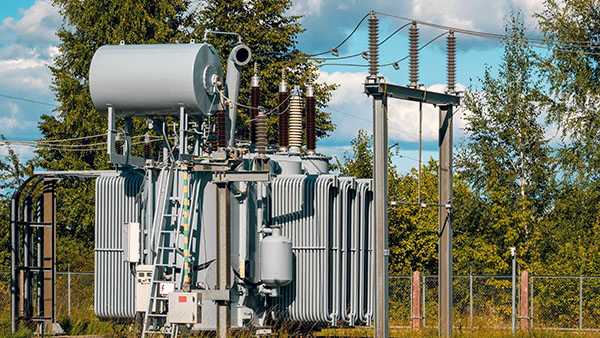
Transformers are the unsung heroes of electrical systems, ensuring that voltage levels are adjusted efficiently for various applications. To keep these critical components in top shape, regular testing is essential—and one of the most important tests is the turns ratio test. This test verifies the ratio of the number of turns in the primary winding to the number of turns in the secondary winding, ensuring the transformer performs as expected.
When it comes to performing this test, you have two primary options: portable and benchtop transformer turns ratio testers. Each type has its strengths and weaknesses, and the best choice depends on your specific application. In this article, we’ll explore the differences between these two types of testers, their pros and cons, and how to decide which one is right for you.
What is a Transformer Turns Ratio Tester?
Before diving into the comparison, let’s briefly recap what a transformer turns ratio tester does. This device measures the turns ratio by applying a known voltage to the primary winding and measuring the voltage induced in the secondary winding. The ratio of these voltages should match the transformer’s specified turns ratio. Any significant deviation can indicate issues like shorted turns, open circuits, or manufacturing defects.
Portable Transformer Turns Ratio Testers
Portable testers are designed for mobility and ease of use in the field. They are typically lightweight, compact, and battery-powered, making them ideal for on-site testing.
Pros of Portable Testers
- Mobility: Their small size and light weight make them easy to transport, allowing technicians to perform tests at various locations without hassle.
- Versatility: Portable testers can be used in diverse environments, from substations to remote fieldwork, where access to power or space might be limited.
- User-Friendly: Many portable models are designed with simplicity in mind, featuring intuitive interfaces and quick setup for fast testing.
- Cost-Effective: They are often less expensive than benchtop models, making them a good choice for those with budget constraints.
Cons of Portable Testers
- Limited Features: To maintain portability, these testers may lack some advanced features found in benchtop models, such as extensive data logging or high-precision measurements.
- Battery Dependency: Relying on batteries can be a drawback if the tester runs out of power during critical testing.
- Durability Concerns: While built for the field, portable testers may not be as rugged as benchtop units, potentially leading to damage in harsh conditions.
Best For
- Field technicians and maintenance teams who need to perform tests on-site.
- Applications where quick, straightforward testing is sufficient.
- Budget-conscious users who don’t require advanced features.
Benchtop Transformer Turns Ratio Testers
Benchtop testers are larger, stationary units typically used in controlled environments like laboratories or manufacturing facilities. They are designed for precision and often come with a wider range of features.
Pros of Benchtop Testers
- Advanced Features: Benchtop models often include additional capabilities like automated testing, detailed data analysis, and connectivity options (e.g., USB, Bluetooth) for seamless data transfer.
- High Precision: These testers are engineered for accuracy, making them ideal for applications where even minor deviations in the turns ratio are critical.
- Durability: Built for stationary use, benchtop testers are typically more robust and less prone to wear and tear from frequent movement.
- Power Reliability: Since they are plugged into a stable power source, there’s no risk of running out of battery during testing.
Cons of Benchtop Testers
- Lack of Mobility: Their size and weight make them impractical for fieldwork, limiting their use to fixed locations.
- Higher Cost: Benchtop models are generally more expensive due to their advanced features and precision.
- Complexity: The additional features can make these testers more complex to operate, potentially requiring more training for users.
Best For
- Laboratories and research facilities where precision and detailed analysis are paramount.
- Manufacturing environments where transformers are tested in large volumes.
- Applications that require extensive data logging and reporting for compliance or quality control.
Key Differences at a Glance
To make the comparison clearer, here’s a quick overview of the main differences between portable and benchtop testers:
| Feature | Portable Testers | Benchtop Testers |
|---|---|---|
| Mobility | High (lightweight, battery-powered) | Low (stationary, plugged into power) |
| Features | Basic to moderate | Advanced (data logging, automation) |
| Precision | Good | Excellent |
| Cost | Lower | Higher |
| Ease of Use | Simple, intuitive | More complex, may require training |
| Best For | Fieldwork, quick tests | Labs, manufacturing, detailed analysis |
How to Choose the Right Tester for Your Needs
Deciding between a portable and benchtop transformer turns ratio tester comes down to understanding your specific requirements. Here are some questions to guide your decision:
- Where will you be performing the tests?
- If you’re working in the field or at multiple locations, a portable tester is essential.
- For tests conducted in a fixed location like a lab or factory, a benchtop tester is more suitable.
- What level of precision do you need?
- If your application demands high accuracy and detailed analysis, a benchtop tester is the better choice.
- For routine maintenance or less critical applications, a portable tester’s precision is usually sufficient.
- How frequently do you perform tests?
- For occasional testing, a portable tester’s simplicity and cost-effectiveness make it a good fit.
- For high-volume testing, a benchtop tester’s automation and data logging features can save time and effort.
- What is your budget?
- If budget is a concern, portable testers are generally more affordable.
- If you can invest in a higher-end model, a benchtop tester offers long-term value through its advanced capabilities.
- Do you need additional features?
- If data logging, automation, or connectivity are important for your work, a benchtop tester is likely the way to go.
- If you only need basic testing functionality, a portable tester will suffice.
Conclusion
There’s no one-size-fits-all answer to whether a portable or benchtop transformer turns ratio tester is better—it depends on your unique needs. Portable testers excel in mobility and ease of use, making them ideal for fieldwork and quick diagnostics. Benchtop testers, on the other hand, offer superior precision and advanced features, perfect for lab environments and detailed analysis.
By considering factors like your testing environment, precision requirements, frequency of use, budget, and need for additional features, you can make an informed decision. Whichever you choose, investing in the right tester ensures your transformers remain reliable, efficient, and safe.

 Italian
  English
  German
  Spanish
  French
  Portuguese
  Vietnamese
  Afrikaans
  Amharic
  Arabic
  Aragonese
  Moroccan Arabic
  Assamese
  Azerbaijani
  South Azerbaijani
  Belarusian
  Bulgarian
  Bengali
  Tibetan
  Bosnian
  Catalan
  Czech
Czech  Danish
  Welsh
Welsh  Lower Sorbian
  Dzongkha
  Greek
Greek  Esperanto
  Estonian
  Basque
  Finnish
  Indonesian
  Malayalam
  Latvian
  Panjabi
  Romanian
  Slovenian
  Russian