
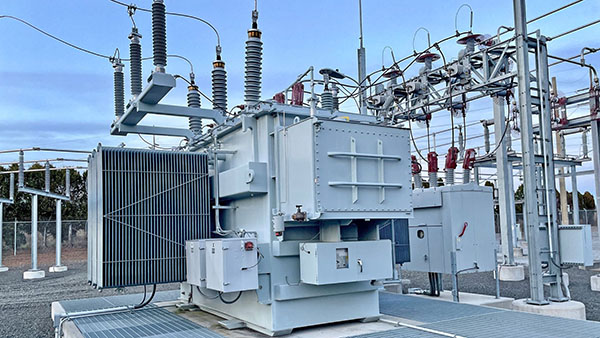
As a professional electrical testing expert, one of the most critical assessments we make during transformer maintenance is the insulation resistance (IR) test. Insulation resistance testing is essential for evaluating the health of a transformer’s insulation and ensuring the safety and reliability of the power system. The IR value gives insight into how well the transformer’s insulating materials are performing under operational conditions.
A good understanding of what constitutes an acceptable IR value for transformers can help prevent costly downtime and mitigate the risk of electrical failures. In this article, we will explore what the ideal IR value of a transformer should be, how to perform the test, and the factors influencing IR values. We will also discuss common benchmarks, potential issues that may arise with low IR values, and how to address them.
Why Is Insulation Resistance Important for Transformers?
The Role of Insulation in Transformers
In transformers, insulation serves the crucial function of preventing electrical currents from flowing where they shouldn’t. It separates the conductive parts from each other and from the transformer’s outer casing or ground. Good insulation ensures that the electrical energy is contained within the transformer windings, which are the primary areas for energy transfer.
When insulation fails, it can lead to dangerous situations such as electric shock, short circuits, or fire. These failures typically occur when insulation deteriorates due to prolonged exposure to moisture, contaminants, or thermal stresses.
Preventing System Failures
As a professional who has been involved in transformer testing for several years, I can tell you that insulation degradation is one of the most common causes of transformer failures. Poor insulation resistance may go undetected unless regular tests are performed. One such incident I witnessed involved a medium-voltage transformer at a utility substation, where the insulation resistance was found to be dangerously low. The lack of testing resulted in an eventual failure, causing a significant outage. It’s important to remember that low insulation resistance is often a precursor to much more severe problems down the road.
How to Perform an Insulation Resistance Test on a Transformer
Preparation for Testing
Before performing the insulation resistance (IR) test on a transformer, safety should be the top priority. Ensure that the transformer is de-energized and locked out to avoid any accidental electrical shock. Always check that the transformer’s secondary is not connected to any load and that there is no power applied to the unit.
Next, ensure that the transformer’s windings are properly grounded. Depending on the transformer’s specifications and the location of the test, you may need to remove any test leads and accessories before applying the insulation resistance tester (commonly referred to as a “megger”).
Selecting the Test Voltage
The selection of an appropriate test voltage is crucial to ensure an accurate and safe IR test. The test voltage is typically chosen based on the transformer’s voltage rating:
- Low-Voltage Transformers (<1 kV): A 500 V test is commonly used for low-voltage transformers.
- Medium-Voltage Transformers (1 kV – 36 kV): A test voltage of 2.5 kV is typically applied.
- High-Voltage Transformers (>36 kV): The test voltage can go up to 5 kV or even higher, depending on the specific voltage class of the transformer.
The key here is to select a test voltage that does not exceed the operational voltage of the transformer but is high enough to stress the insulation and yield meaningful results.
Performing the Test
To perform the IR test, connect the insulation resistance tester to the transformer’s windings. One test lead should be connected to the primary winding, and the other lead should be connected to the ground or secondary winding.
Once the test voltage is applied, the insulation will begin to charge, and the insulation resistance tester will measure the resistance between the winding and the ground. Ideally, the resistance should increase over time and stabilize, indicating that the insulation is in good condition.
Duration of the Test
For most transformer insulation resistance tests, a duration of 1 minute is typically sufficient. However, for larger or more complex transformers, a longer duration may be necessary to ensure the accuracy of the test results. Keep in mind that the resistance values might fluctuate as the insulation charges, but they should eventually stabilize.
Recording and Analyzing the Results
After the test is completed, the insulation resistance value will be displayed on the insulation resistance tester. Record the measured resistance, the applied test voltage, and the time taken for the test. The next step is to compare these values against industry standards and manufacturer specifications.
What Should the IR Value of a Transformer Be?
General Guidelines for Insulation Resistance in Transformers
The acceptable insulation resistance value of a transformer depends on various factors such as the transformer’s voltage rating, age, and operating conditions. However, industry guidelines provide some general benchmarks for assessing transformer insulation resistance:
- For Low-Voltage Transformers (<1 kV): The minimum acceptable insulation resistance should be 1 MΩ per 1,000 volts of operating voltage. For example, for a 480 V transformer, the minimum acceptable insulation resistance would be 480 kΩ.
- For Medium-Voltage Transformers (1 kV – 36 kV): The minimum insulation resistance should generally be 10 MΩ or more. However, this value may vary based on the transformer’s operational conditions.
- For High-Voltage Transformers (>36 kV): Insulation resistance for high-voltage transformers should be 100 MΩ or higher. In practice, values as high as 1,000 MΩ (1 GΩ) are often expected for new or well-maintained transformers.
These values are not absolute, and it’s essential to refer to manufacturer guidelines or regulatory standards, as they may have specific requirements depending on the transformer’s design and application.
Factors Influencing the IR Value
Several factors can influence the insulation resistance of a transformer, including:
- Age of the Transformer: As transformers age, their insulation resistance naturally decreases. Older transformers may show lower IR values, but values should still be within acceptable limits for continued operation.
- Environmental Conditions: Humidity, temperature, and exposure to harsh chemicals can all affect the insulation’s resistance. For instance, transformers in humid environments are more likely to have lower insulation resistance.
- Type of Insulation: The materials used for insulation (paper, oil, synthetic materials) play a significant role in the resistance value. Oil-immersed transformers generally have higher insulation resistance compared to dry-type transformers.
- Transformer Load: A heavily loaded transformer may experience more stress on its insulation, leading to a decrease in resistance.
What Do Low IR Test Results Mean?
A low IR test result is a cause for concern and may indicate the following potential issues:
- Insulation Degradation: Over time, insulation materials degrade due to factors like heat, moisture, and mechanical stress. Low IR values suggest that the insulation is breaking down, and the transformer is at risk for electrical faults.
- Contamination: Contaminants such as dirt, dust, or moisture can decrease the insulation resistance. In some cases, cleaning the transformer or performing maintenance may improve the IR value.
- Physical Damage: Any physical damage to the transformer windings or insulation (e.g., cracks or punctures) can cause leakage currents and lower IR values.
If the IR value is significantly lower than expected, the transformer should be taken out of service for further inspection. In some cases, you may need to perform additional tests, such as partial discharge testing or a dielectric strength test, to diagnose the issue thoroughly.
Interpreting IR Test Results
- Good IR Value: If the IR value exceeds the minimum acceptable value and is significantly higher, this indicates that the insulation is in excellent condition.
- Acceptable IR Value: An acceptable IR value falls within the industry guidelines. While it may not be ideal, the transformer is still safe to operate, but more frequent monitoring may be required.
- Warning or Critical IR Value: If the IR value falls below the acceptable range but is still above the critical threshold, this is a warning sign. Immediate attention is required to prevent further insulation breakdown.
- Failed IR Value: A failed IR result indicates significant degradation or damage to the insulation, and the transformer should be taken offline for maintenance or replacement of the affected components.
Conclusion
A good insulation resistance (IR) value is essential for ensuring the safe and efficient operation of transformers. While acceptable IR values vary depending on the transformer’s voltage rating and application, general benchmarks provide a useful reference point. Regular IR testing helps identify potential issues early and extends the lifespan of transformers.
In my experience, proper insulation resistance testing is a cornerstone of transformer maintenance. Regular testing not only helps in detecting early signs of insulation failure but also in maintaining the overall health of the electrical infrastructure. Having a good understanding of what constitutes an acceptable IR value and how to interpret the results can save you time, money, and prevent catastrophic failures down the line.
By maintaining a proactive approach to insulation resistance testing, you ensure the reliability of the transformer and the safety of the entire electrical system.

 Italian
  English
  German
  Spanish
  French
  Portuguese
  Vietnamese
  Afrikaans
  Amharic
  Arabic
  Aragonese
  Moroccan Arabic
  Assamese
  Azerbaijani
  South Azerbaijani
  Belarusian
  Bulgarian
  Bengali
  Tibetan
  Bosnian
  Catalan
  Czech
Czech  Danish
  Welsh
Welsh  Lower Sorbian
  Dzongkha
  Greek
Greek  Esperanto
  Estonian
  Basque
  Finnish
  Indonesian
  Malayalam
  Latvian
  Panjabi
  Romanian
  Slovenian
  Russian