
Introduction: The Hidden Threat of Electrical Insulation Failures
When it comes to maintaining electrical systems, most of us focus on the visible components—the circuit breakers, the transformers, or the cables. But there’s one crucial element that often goes unnoticed until it’s too late: insulation. Insulation is the backbone of your electrical system, ensuring that electricity flows safely and efficiently without leakage or breakdowns. Yet, just like any other part of your equipment, insulation can degrade over time.
One of the best ways to ensure your systems continue to operate smoothly is by performing regular insulation resistance tests. As an electrical testing expert with over 15 years of experience, I can say with confidence that regular insulation testing is not just a precaution; it’s an essential part of any maintenance strategy.
In this article, we’ll explore how regular insulation testing can help you prevent electrical failures, save costs, and extend the life of your equipment. I’ll share practical tips, industry insights, and personal anecdotes to show you why this seemingly small task can make a big difference in your operations.
Why Insulation Testing is Essential for Preventing Breakdowns
The Role of Insulation in Electrical Systems
Insulation plays a critical role in preventing electrical faults. It keeps the conductive parts of electrical equipment separated and prevents electrical currents from escaping to unintended areas. Over time, however, insulation materials can degrade due to factors like age, environmental conditions, and mechanical stress. When insulation fails, it leads to leakage currents, shorts, or even complete system failures.
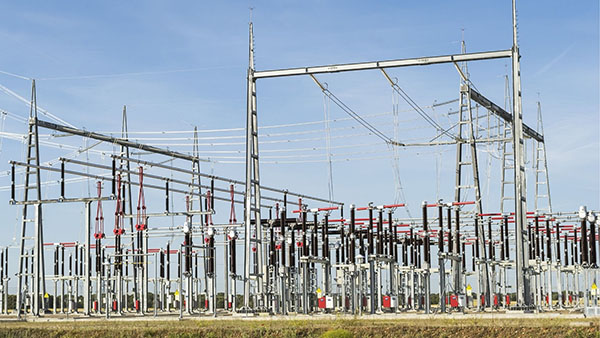
A real-life example comes to mind: In one of my previous jobs, we had an aging transformer in a substation that had been running continuously for decades without any insulation tests. The first sign of trouble was a sudden shutdown due to an insulation failure, which caused a cascade of issues in the grid. The unexpected downtime resulted in significant repair costs and lost revenue. The lesson? Early detection through regular insulation testing could have avoided that disruption.
What Causes Insulation to Fail?
Understanding what causes insulation degradation is crucial to understanding why testing is necessary. Over time, several factors can contribute to insulation failure:
- Thermal Stress: Electrical equipment generates heat during operation, which can cause insulation materials to soften, crack, or become brittle.
- Mechanical Stress: Vibration or physical impact can weaken insulation, leading to cracks and breaks that compromise its integrity.
- Moisture and Contaminants: Water and chemicals can break down insulation, especially in high-humidity or outdoor environments.
- Aging: The natural aging process of materials can reduce the effectiveness of insulation, especially in older equipment.
Regular testing helps identify these issues early, often before they lead to catastrophic failures. Catching these problems early can prevent costly repairs and ensure the continued reliability of your system.
How Regular Insulation Testing Works: The Basics
The Importance of Insulation Resistance Testing
Insulation resistance testing is a non-invasive method used to assess the condition of insulation in electrical equipment. The test involves applying a known voltage to the system and measuring the resistance between the conductors and ground. If the insulation is intact, it should exhibit high resistance to current flow.
Testing involves the following steps:
- Applying the Test Voltage: A known DC voltage (usually between 500V and 5,000V depending on the equipment) is applied to the insulation.
- Measuring Resistance: The tester measures the resistance between the conductors and the ground.
- Evaluating Results: The resistance value is analyzed. Generally, a resistance value greater than 1MΩ is considered acceptable, though the acceptable range may vary based on the equipment type and operating conditions.
Understanding Test Results
Understanding the results of insulation resistance tests is essential for making informed decisions about equipment maintenance. Here’s a simple breakdown of the resistance readings:
- Good Insulation (≥100 MΩ): Insulation is in excellent condition and unlikely to cause issues in the near future.
- Acceptable Insulation (1 MΩ – 99 MΩ): The insulation is functional but should be monitored. It might require maintenance or eventual replacement.
- Poor Insulation (<1 MΩ): Immediate action is required. The insulation is failing, and repairs or replacements are needed to prevent breakdowns.
By analyzing test results over time, you can spot trends, identify weaknesses, and take corrective action before a complete failure occurs. For example, I’ve had cases where a minor drop in resistance over the course of a few months was a clear signal that a component was reaching the end of its lifespan. By replacing the insulation early, we avoided a much costlier failure down the line.
Best Practices for Insulation Testing to Prevent Breakdowns
1. Create a Routine Testing Schedule
Regular testing is the key to preventing unexpected failures. For older equipment, or equipment that operates in harsh environments, I recommend testing at least once a year. However, if your equipment is particularly critical or exposed to high stress (e.g., motors running 24/7 or transformers in a high-voltage substation), more frequent testing might be necessary.
A good practice is to develop a preventive maintenance plan that includes insulation resistance testing at regular intervals. This will help you stay ahead of any potential issues. Over the years, I’ve found that systematic testing—whether quarterly, semi-annually, or annually—gives us an accurate picture of insulation health and allows us to act before the equipment fails.
2. Choose the Right Testing Equipment
When selecting an insulation resistance tester, make sure it’s suitable for your equipment’s voltage rating. High-voltage equipment, such as transformers or transmission cables, requires specialized testers that can safely apply higher test voltages (up to 5kV or more). For lower-voltage equipment, such as motors or circuit breakers, a tester rated for lower voltages (500V or 1kV) will suffice.
In my experience, digital insulation testers are a valuable tool, as they provide accurate, real-time readings and offer features like data logging. This makes it easier to track test results over time and identify patterns that might indicate a deteriorating trend.
3. Conduct Tests in Proper Conditions
Environmental factors can impact your test results, so always ensure that testing is done under suitable conditions. For example, high humidity, extreme temperatures, or electrical noise can affect the accuracy of your readings. Ideally, tests should be conducted in dry conditions and when the equipment is offline.
If you’ve ever tested equipment in the middle of a rainstorm or in an excessively hot or cold environment, you know how external factors can affect the integrity of your readings. For instance, one time, we tested a motor’s insulation resistance in an outdoor environment where it had been exposed to rain. The results were unusually low, but upon retesting the equipment in a controlled indoor setting, the resistance returned to normal. Such experiences have taught me the importance of testing in controlled conditions.
4. Document and Track Test Results
Don’t just perform the tests—document and track the results. Keeping a record of all test results allows you to spot trends and anomalies in your equipment’s insulation resistance. Over time, this historical data becomes invaluable for predicting when equipment may fail, enabling proactive maintenance and replacement planning.
I recommend using digital logs for test results, which can be easily stored and analyzed. This makes it easier to compare tests over time and spot small changes in insulation resistance that may indicate upcoming problems. In one instance, historical test data helped us replace insulation on a motor that had been gradually deteriorating, preventing an unexpected failure during peak production.
5. Act on the Results
Testing is just one part of the equation. The most important aspect is knowing what to do with the results. If the insulation resistance is within acceptable limits but shows signs of degradation, it’s a good idea to monitor the equipment more closely or schedule a maintenance visit. If the readings indicate imminent failure, take action immediately—whether that’s repairing the insulation or replacing the component altogether.
Real-Life Examples: How Regular Insulation Testing Prevented Major Failures
Let me share a few real-life examples where regular insulation testing prevented significant breakdowns:
- Transformer Failure Avoidance: A power plant had an aging transformer that wasn’t being regularly tested. After performing a quick insulation resistance test, we found that the insulation resistance was lower than expected. Rather than waiting for the transformer to fail and cause a blackout, we conducted further inspections and replaced the insulation before the failure could occur.
- Motor Lifespan Extension: In an industrial plant, we routinely tested the insulation of large motors that ran continuously. Over time, we saw a slight decrease in insulation resistance. Early intervention allowed us to recondition the motors and extend their lifespan by several years, saving the company from costly downtime and replacement costs.
Conclusion: Prevent Breakdowns and Save Costs with Regular Insulation Testing
Regular insulation testing is a simple, yet highly effective, strategy for preventing electrical breakdowns and extending the life of your equipment. By staying proactive and testing your equipment routinely, you can spot issues before they lead to expensive repairs or dangerous failures.
As someone who’s seen the consequences of neglecting insulation tests, I can’t stress enough how important it is to make insulation testing a regular part of your maintenance program. It’s an investment that pays off by minimizing downtime, reducing repair costs, and ensuring that your electrical systems continue to operate safely and efficiently.
Remember: the best time to test is before a failure occurs. So, get ahead of the game and start testing today!
Are you ready to ensure the continued reliability of your electrical systems? Contact us today to schedule your insulation resistance test and prevent costly breakdowns tomorrow. Let’s keep your equipment running smoothly—before problems arise.

 Latvian
  English
  German
  Spanish
  French
  Portuguese
  Vietnamese
  Afrikaans
  Amharic
  Arabic
  Aragonese
  Moroccan Arabic
  Assamese
  Azerbaijani
  South Azerbaijani
  Belarusian
  Bulgarian
  Bengali
  Tibetan
  Bosnian
  Catalan
  Czech
Czech  Danish
  Welsh
Welsh  Lower Sorbian
  Dzongkha
  Greek
Greek  Esperanto
  Estonian
  Basque
  Finnish
  Indonesian
  Italian
  Malayalam
  Panjabi
  Romanian
  Slovenian
  Russian