
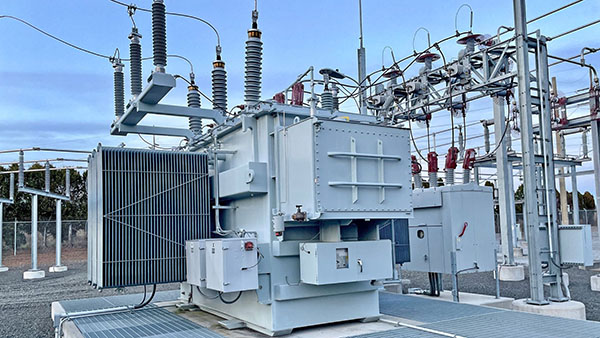
In power utilities, transformers are critical components that ensure the efficient transmission and distribution of electricity. To maintain transformer performance and prevent unexpected failures, regular testing is essential. One of the most crucial tests for transformers is Transformer Turns Ratio (TTR) testing.
This test helps determine if a transformer is operating within its design specifications and can detect potential issues that might affect its efficiency and reliability. In this article, we will explore why TTR testing is essential for power utilities, how it helps ensure the reliability of electrical systems, and the best practices for conducting these tests.
What Is Transformer Turns Ratio Testing?
Transformer Turns Ratio (TTR) testing is a diagnostic procedure that measures the ratio of turns between the primary and secondary windings of a transformer. This ratio determines the transformer’s voltage transformation characteristics. A transformer is designed to maintain a specific turns ratio, ensuring that the correct voltage is applied to the electrical system.
The TTR test compares the measured ratio with the nominal value specified by the manufacturer, and any discrepancies can indicate underlying issues, such as:
- Winding faults (e.g., short circuits or open windings)
- Tap changer problems
- Degraded insulation
In power utilities, ensuring that transformers maintain the correct turns ratio is essential for system stability and electrical reliability.
Why TTR Testing Is Essential for Power Utilities
1. Early Detection of Transformer Issues
Regular TTR testing helps identify issues early before they lead to transformer failures or more extensive damage. For example, a shift in the turns ratio may suggest problems like shorted windings, which could cause overheating or inefficiency. Detecting these issues early allows power utilities to conduct preventive maintenance and avoid unscheduled downtime.
Why it matters:
By identifying transformer faults early, utilities can schedule repairs during planned outages, minimizing disruptions to the power grid and improving the overall reliability of the system.
2. Improved Transformer Efficiency
Transformers that deviate from their nominal turns ratio may experience inefficiencies, such as voltage instability or increased power loss. Ensuring that transformers maintain the correct turns ratio enhances their performance, reduces energy losses, and maximizes efficiency in power transmission and distribution systems.
Why it matters:
Power utilities must optimize transformer performance to minimize operational costs and enhance the overall efficiency of the electrical grid. TTR testing ensures that each transformer is working at peak performance.
3. Prevention of Transformer Failures
The failure of a transformer can have far-reaching consequences, including power outages, equipment damage, and financial losses. Transformer failures often occur due to insulation breakdown, winding faults, or other hidden issues. TTR testing helps detect these faults before they lead to catastrophic failures, allowing for timely repairs or replacements.
Why it matters:
Preventing transformer failures is crucial for ensuring the continuous supply of electricity and protecting the integrity of the power grid. TTR testing is a key part of a predictive maintenance strategy that helps utilities avoid unplanned downtime.
4. Compliance with Industry Standards
In many regions, power utilities are required to comply with industry standards and regulations regarding transformer performance and maintenance. Regular TTR testing ensures that transformers are operating within the specified voltage and turns ratio parameters, which is necessary for compliance with standards such as IEEE, ANSI, or IEC.
Why it matters:
Meeting regulatory requirements is essential for avoiding legal and financial penalties. TTR testing helps utilities stay compliant with industry standards and maintain the safety and reliability of the electrical grid.
5. Enhanced System Reliability
Power grids rely on the smooth operation of transformers to maintain voltage levels and ensure efficient energy distribution. Even minor deviations in the turns ratio can affect voltage regulation, leading to unstable grid performance. Regular TTR testing helps power utilities maintain a stable, reliable electrical grid by ensuring that transformers are functioning properly and within design specifications.
Why it matters:
Transformer issues can have a ripple effect across the power grid. By performing TTR tests regularly, utilities ensure that their transformers are reliable and that the electrical system remains stable, even during periods of high demand.
Best Practices for Transformer Turns Ratio Testing in Power Utilities
To achieve accurate and consistent results, power utilities should follow best practices when conducting TTR testing. Here are some key guidelines:
1. Test Transformers Under Standard Operating Conditions
TTR testing should be conducted under the transformer’s standard operating conditions. This includes testing the transformer while it is under load or with no load, depending on the specific requirements. This ensures that the test results reflect the transformer’s true performance.
Why it matters:
Testing under standard conditions ensures that the data is accurate and relevant to the transformer’s normal operation.
2. Use High-Quality, Accurate Testing Equipment
For reliable and precise results, power utilities should use high-accuracy TTR testers. These testers provide detailed readings of the turns ratio, helping to detect even the smallest discrepancies. High-quality testing equipment is critical for making accurate assessments of transformer health and performance.
Why it matters:
Using accurate and reliable TTR testing equipment ensures that any potential issues are detected early, and maintenance decisions are based on trustworthy data.
3. Conduct Regular Testing and Monitoring
TTR testing should be conducted on a regular schedule to ensure that transformers are consistently operating within their design specifications. In addition to routine testing, power utilities should monitor transformers over time to track any changes in their performance and identify trends that may indicate underlying problems.
Why it matters:
Frequent testing and monitoring allow utilities to catch emerging issues before they escalate, helping to ensure transformer longevity and grid reliability.
4. Document and Analyze Test Results
It’s important to document and analyze the results of every TTR test. By keeping a record of test data, power utilities can track the performance of individual transformers over time. This historical data provides valuable insights into the health of transformers and can help guide decision-making on repairs, replacements, or upgrades.
Why it matters:
Documenting test results allows utilities to spot trends, identify recurring issues, and make data-driven decisions that improve transformer maintenance and grid reliability.
Conclusion: The Critical Role of TTR Testing for Power Utilities
Transformer Turns Ratio (TTR) testing is an essential tool for ensuring the health, efficiency, and reliability of transformers in power utilities. By conducting regular TTR tests, utilities can:
- Detect issues early, reducing the risk of unexpected transformer failures.
- Maximize transformer efficiency, minimizing energy losses and operational costs.
- Ensure regulatory compliance with industry standards.
- Improve system reliability, keeping the power grid stable and efficient.
With the right equipment and best practices in place, TTR testing is a powerful diagnostic tool that helps power utilities maintain reliable and efficient electrical systems.
Call to Action: Looking for reliable TTR testing equipment? Explore our range of high-accuracy TTR testers designed to ensure your transformers operate at peak efficiency and help maintain a stable power grid.

 Malayalam
  English
  German
  Spanish
  French
  Portuguese
  Vietnamese
  Afrikaans
  Amharic
  Arabic
  Aragonese
  Moroccan Arabic
  Assamese
  Azerbaijani
  South Azerbaijani
  Belarusian
  Bulgarian
  Bengali
  Tibetan
  Bosnian
  Catalan
  Czech
Czech  Danish
  Welsh
Welsh  Lower Sorbian
  Dzongkha
  Greek
Greek  Esperanto
  Estonian
  Basque
  Finnish
  Indonesian
  Italian
  Latvian
  Panjabi
  Romanian
  Slovenian
  Russian