
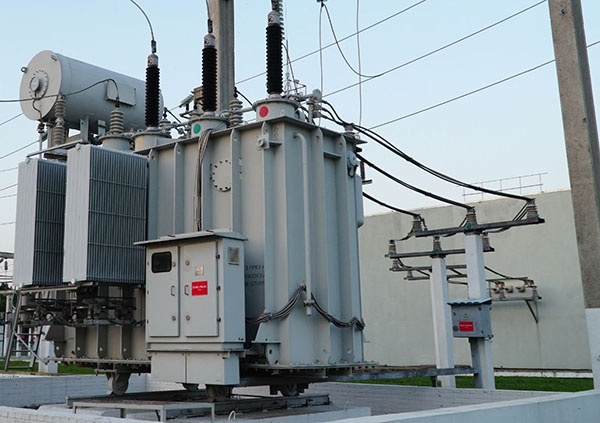
In the world of electrical testing, both Partial Discharge (PD) testing and Dielectric testing play crucial roles in evaluating the health of insulation systems in electrical equipment. These tests, though related to the integrity of insulation, serve different purposes and provide unique insights. Understanding the differences between partial discharge testing and dielectric testing can help you choose the right method for your specific application, whether you’re working with transformers, motors, cables, or high-voltage switchgear.
In this guide, we’ll explore the key differences between partial discharge testing and dielectric testing, when to use each method, and practical insights to help you ensure the reliability and safety of electrical equipment.
What is Partial Discharge (PD) Testing?
Partial Discharge (PD) testing detects small, localized electrical discharges that occur within the insulation of high-voltage equipment. These discharges happen at points of weakness, such as voids, cracks, or impurities in the insulation, and they do not immediately result in complete insulation failure. However, over time, partial discharges can lead to full dielectric breakdown if not addressed.
Key Features of PD Testing:
- Focuses on localized insulation defects: PD testing identifies weak spots within the insulation where partial discharges occur, which could eventually lead to breakdowns.
- Early-stage detection: PD testing is highly sensitive and can detect defects at an early stage before they develop into more significant problems.
- Non-destructive: PD testing is typically non-destructive and can be done during the normal operation of equipment without applying excessive stress.
Applications:
- Transformers
- High-voltage cables
- Switchgear
- Motors and generators
- Bushings and insulators
Why PD Testing is Important:
PD testing allows you to monitor the insulation condition over time and detect early signs of degradation, such as voids, delaminations, or contamination. By identifying these defects early, you can plan maintenance before complete insulation failure occurs.
Real-World Example:
During routine PD testing on a high-voltage transformer, small discharges were detected within the insulation. These discharges were localized near the bushing, indicating early-stage insulation degradation. Maintenance was scheduled, and the defective bushing was replaced, preventing a potential breakdown.
What is Dielectric Testing?
Dielectric testing evaluates the overall strength of the insulation system in electrical equipment by applying high voltage to determine if the insulation can withstand electrical stress without breaking down. This type of test simulates real-world overvoltage conditions that equipment might experience in operation. Dielectric tests are generally used to ensure that the insulation is intact and can handle voltage surges or overvoltages.
Key Features of Dielectric Testing:
- Focuses on overall insulation strength: Dielectric testing measures the ability of the entire insulation system to withstand a specified voltage.
- Stresses insulation under high voltage: The test applies voltage stress, typically higher than normal operating conditions, to evaluate whether the insulation can hold up under extreme conditions.
- Can be destructive: If the insulation fails during a dielectric test, the test could lead to permanent damage, particularly in high-stress scenarios like breakdown testing.
Applications:
- Transformers
- Motors and generators
- Switchgear
- Cables
- Capacitors
Why Dielectric Testing is Important:
Dielectric testing ensures that the insulation can handle the voltage stresses it will face during normal operation and during fault conditions. It provides a pass/fail assessment of the insulation’s ability to withstand voltage stress, making it critical for commissioning new equipment or verifying the integrity of equipment after repairs.
Real-World Example:
During dielectric testing on a large industrial motor, we applied an AC voltage at twice the motor’s rated voltage for one minute. The insulation held up without breaking down, confirming that the motor was safe to be put back into service after repairs.
Key Differences Between Partial Discharge and Dielectric Testing
| Aspect | Partial Discharge (PD) Testing | Dielectric Testing |
|---|---|---|
| Primary Purpose | Detects localized defects or weak spots in insulation. | Assesses the overall strength of the insulation system. |
| Type of Defects Detected | Voids, cracks, delaminations, impurities in insulation. | General insulation breakdown, overvoltage endurance. |
| Voltage Applied | Low to moderate voltage. | High voltage, often 2-3 times the operating voltage. |
| Testing Method | Non-destructive, can be done during normal operation. | Can be destructive if insulation fails under high voltage. |
| Test Results | Identifies early-stage degradation. | Pass/fail outcome; insulation must withstand applied voltage. |
| Sensitivity | Highly sensitive to small defects. | Evaluates entire insulation system but less sensitive to localized defects. |
| When to Use | During condition monitoring and maintenance. | For commissioning, acceptance testing, or post-repair verification. |
| Common Test Equipment | PD detectors, oscilloscopes, capacitive sensors. | Hipot testers, insulation resistance testers, megohmmeters. |
| Typical Testing Frequency | Frequently used for condition-based monitoring. | Performed during commissioning, routine maintenance, or after repairs. |
When to Use Partial Discharge Testing
Partial Discharge Testing is ideal for early detection of insulation defects in high-voltage equipment. It’s especially useful in equipment with complex insulation systems or in situations where you want to monitor the condition of insulation without applying high voltage. PD testing should be part of your regular condition-based maintenance program, especially for:
- Transformers and switchgear that operate at high voltages.
- High-voltage cables in substations and transmission systems.
- Motors and generators, where insulation defects can develop over time due to vibration, heat, or electrical stress.
Advantages of PD Testing:
- Non-destructive: Can be done without stressing the insulation to the point of failure.
- Continuous monitoring: Can be used to monitor insulation health over time, detecting changes in discharge activity.
- Early defect detection: Detects insulation issues before they develop into larger problems, allowing for proactive maintenance.
When to Use PD Testing:
- Regular monitoring of high-voltage assets to identify insulation degradation.
- During routine maintenance or inspections to assess the health of critical equipment.
- After repairs to check for any new or lingering insulation defects.
When to Use Dielectric Testing
Dielectric Testing is used for assessing the overall insulation strength of equipment. It’s most appropriate for situations where you need a pass/fail result, such as during commissioning, post-repair verification, or compliance testing. Dielectric testing is essential in scenarios where equipment insulation must handle high-voltage stresses and is commonly performed on:
- Newly installed equipment, such as transformers, motors, or cables, before being energized for the first time.
- After repairs, particularly if the insulation system has been disturbed.
- As part of routine maintenance in environments where equipment is exposed to moisture, dust, or temperature extremes that can degrade insulation over time.
Advantages of Dielectric Testing:
- Pass/fail result: Provides a clear outcome on whether the insulation can withstand the applied voltage.
- Simulates real-world stresses: Tests the insulation under voltages higher than what the equipment will encounter during normal operation, ensuring its robustness.
- Ideal for acceptance testing: Often used for factory acceptance testing or field commissioning to ensure new equipment meets insulation requirements.
When to Use Dielectric Testing:
- Commissioning new equipment to ensure insulation integrity.
- Post-repair verification to ensure repairs haven’t compromised the insulation.
- Routine high-voltage testing to check if insulation can still handle system voltage.
Practical Considerations
Frequency of Testing
- PD Testing: Often used for continuous monitoring and frequent condition-based maintenance, especially in high-voltage systems where early detection of insulation defects is crucial.
- Dielectric Testing: Typically performed during commissioning, post-repair, and routine maintenance. It is usually done less frequently but is critical for validating insulation strength under high voltage.
Testing Equipment
- PD Testing: Requires specialized equipment like PD detectors, oscilloscopes, and sensors designed to capture partial discharge activity.
- Dielectric Testing: Uses high-voltage test equipment such as hipot testers, megohmmeters, and insulation resistance testers to apply the necessary voltage.
Sensitivity and Reliability
- PD Testing: Highly sensitive to small, localized defects, making it excellent for early-stage detection of insulation degradation.
- Dielectric Testing: Provides a broader assessment of insulation but may not detect localized defects unless they lead to full insulation failure under test conditions.
Conclusion
Both Partial Discharge Testing and Dielectric Testing are critical for ensuring the reliability and safety of high-voltage equipment. While PD testing is invaluable for early detection of localized insulation defects, dielectric testing provides a comprehensive assessment of the insulation’s ability to withstand high voltage stress.
- Use PD testing when you need to monitor the condition of insulation and detect early-stage defects without applying high voltage.
- Use dielectric testing when you need a pass/fail result for commissioning, compliance, or post-repair validation.
By understanding the differences and the appropriate applications of each method, you can create a more effective maintenance and testing strategy for your electrical equipment.

 Panjabi
  English
  German
  Spanish
  French
  Portuguese
  Vietnamese
  Afrikaans
  Amharic
  Arabic
  Aragonese
  Moroccan Arabic
  Assamese
  Azerbaijani
  South Azerbaijani
  Belarusian
  Bulgarian
  Bengali
  Tibetan
  Bosnian
  Catalan
  Czech
Czech  Danish
  Welsh
Welsh  Lower Sorbian
  Dzongkha
  Greek
Greek  Esperanto
  Estonian
  Basque
  Finnish
  Indonesian
  Italian
  Malayalam
  Latvian
  Romanian
  Slovenian
  Russian