
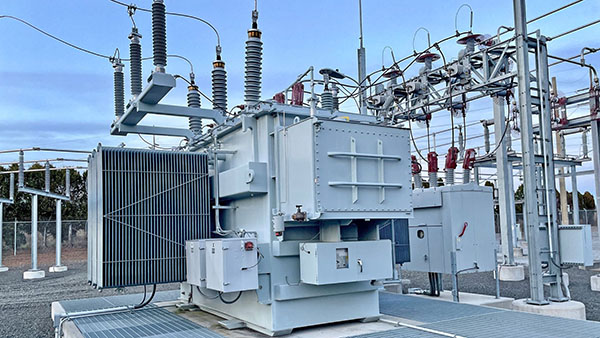
As the backbone of power distribution systems, transformers play a pivotal role in ensuring reliable electricity delivery. However, the safety and performance of these crucial components heavily rely on their grounding systems. Proper grounding protects transformers from electrical faults and ensures that energy is safely dissipated into the earth, preventing damage to equipment and reducing the risk of electrical hazards.
Routine maintenance of transformers should include regular grounding checks, as grounding issues can go unnoticed until they result in catastrophic failures or unsafe operating conditions. Integrating grounding checks into your transformer maintenance routine ensures the long-term health of your equipment and the safety of your operation.
In this article, we’ll explore why grounding checks should be a part of your transformer maintenance routine, how to incorporate them effectively, and the tools and techniques that can help you achieve accurate and reliable results.
Table of Contents
- The Importance of Grounding in Transformer Safety
- Why Integrating Grounding Checks is Essential
- Steps to Integrate Grounding Checks into Your Maintenance Routine
- 3.1 Frequency of Grounding Inspections
- 3.2 Key Areas to Inspect
- 3.3 Documentation and Tracking
- Best Practices for Grounding Checks
- Troubleshooting Common Grounding Issues
- Tools Needed for Efficient Grounding Checks
- Case Study: How Regular Grounding Checks Prevented Transformer Failure
- Training and Continuous Improvement
- Future Trends: Enhancing Grounding Checks with Technology
- Conclusion
The Importance of Grounding in Transformer Safety
Grounding is essential for ensuring the safe operation of electrical equipment. A transformer’s grounding system helps to dissipate fault currents safely into the ground, reducing the risk of electric shock, fire, or damage to the transformer. Without proper grounding, an electrical fault could cause serious damage not only to the transformer but to the entire electrical network.
When I first started in the industry, I recall working on a substation where a minor fault went undetected for several months due to a poor grounding connection. The result was a burned-out transformer and extended downtime for the entire facility. A simple grounding check could have prevented this costly failure, reinforcing the importance of integrating grounding checks into every routine maintenance schedule.
Why Integrating Grounding Checks is Essential
Routine grounding checks ensure that grounding systems are functioning optimally and help identify early warning signs of potential issues. Many grounding failures stem from poor connections, corrosion, or physical damage to grounding components, all of which can go unnoticed unless regularly tested. Incorporating grounding checks into your routine maintenance allows you to:
- Identify potential hazards: Detect high resistance in grounding connections or signs of corrosion before they lead to equipment failure.
- Extend transformer lifespan: Proper grounding ensures safe operation, which reduces the likelihood of transformer damage due to electrical faults.
- Reduce downtime and repair costs: Regular maintenance helps catch problems early, minimizing expensive repairs and costly equipment replacement.
- Ensure regulatory compliance: Certain standards and regulations require routine grounding system inspections to ensure electrical safety.
Steps to Integrate Grounding Checks into Your Maintenance Routine
To successfully integrate grounding checks into your transformer maintenance routine, follow these key steps:
3.1 Frequency of Grounding Inspections
The frequency of grounding checks depends on several factors, such as the operational environment, the type of transformer, and the age of the equipment. However, as a general rule, grounding systems should be inspected and tested at least once every six months. High-use transformers or those located in harsh environments (e.g., extreme weather conditions or industrial facilities with heavy vibrations) may require more frequent checks.
Tip: It’s advisable to schedule grounding checks at the same time as other major maintenance activities, such as oil sampling or insulation testing, to ensure a comprehensive review of the transformer’s health.
3.2 Key Areas to Inspect
While inspecting a transformer’s grounding system, focus on the following critical areas:
- Grounding connections: Check for loose, corroded, or damaged connections at all grounding points, including the grounding electrode, the transformer’s frame, and ground conductors.
- Grounding electrode system: Ensure that the electrode system is intact, free of corrosion, and properly connected to the earth.
- Bonding of metal components: Ensure that all non-current-carrying metal parts, such as the transformer casing and electrical enclosures, are securely bonded to the grounding system.
- Inspection of grounding wires and cables: Examine grounding cables for any signs of wear, breaks, or exposure that could affect their conductivity.
3.3 Documentation and Tracking
Document each grounding inspection and test, including the results of any measurements or visual inspections. Keeping detailed records will help identify trends over time and support any required regulatory compliance reports. It also enables easy identification of recurring issues that need attention.
Pro Tip: Use a digital maintenance management system (CMMS) to log inspections, track issues, and schedule future tests. This ensures that no inspection is overlooked, and your maintenance team is always up to date.
Best Practices for Grounding Checks
To maximize the effectiveness of your grounding checks, follow these best practices:
- Use a systematic approach: Always follow the same inspection routine to ensure that no steps are missed.
- Perform continuity testing: Use continuity testers to confirm that all grounding paths are continuous and intact.
- Test resistance regularly: Use ground resistance testers to measure the overall effectiveness of the grounding system. High resistance may indicate a problem, such as poor contact or corrosion.
- Address issues promptly: If grounding problems are detected, take corrective action immediately. Delaying repairs can lead to more serious safety hazards.
Troubleshooting Common Grounding Issues
Some common grounding issues you might encounter include:
- High resistance readings: This could be due to loose connections, corrosion, or damaged cables. Tighten connections and clean any corrosion.
- Open circuit or broken grounding path: Use a continuity tester to locate the break in the grounding path and repair it.
- Uneven grounding system: This could result from poor electrode placement. Make sure the grounding electrode is properly installed and meets all safety standards.
Case Study: How Regular Grounding Checks Prevented Transformer Failure
At a large industrial facility, regular grounding checks helped avert a major transformer failure. During a routine inspection, the maintenance team noticed a slight increase in ground resistance. Using a ground resistance tester, they traced the issue back to a corroded grounding conductor. By replacing the damaged part before it failed completely, they saved the transformer from extensive damage and avoided a costly shutdown.
The early detection and repair of the grounding system prevented downtime and reinforced the importance of integrating grounding checks into their regular maintenance schedule.
Tools Needed for Efficient Grounding Checks
For efficient grounding checks, you’ll need the right tools. Here are some of the most commonly used tools for transformer grounding tests:
- Ground resistance testers: These provide an accurate measurement of the system’s resistance, helping identify issues with the grounding system.
- Clamp-on ground resistance meters: These allow you to test resistance without disconnecting the system, which is ideal for ongoing inspections.
- Continuity testers: Quick and easy tools to verify that grounding paths are continuous.
- Visual inspection tools: Flashlights, magnifying lenses, and cameras help in inspecting physical connections and components.
- Multimeter: Useful for verifying the voltage drop across the grounding system and conducting basic continuity checks.
Training and Continuous Improvement
Proper training is key to ensuring that grounding checks are performed effectively. Electrical technicians should receive comprehensive training on using testing equipment, interpreting results, and understanding the importance of grounding in transformer safety.
Training Tips:
- Schedule regular training sessions for new employees and refresher courses for experienced workers.
- Use hands-on demonstrations and real-world scenarios to reinforce learning.
Future Trends: Enhancing Grounding Checks with Technology
The future of grounding checks lies in automation and real-time monitoring. Advancements in sensor technology and Internet of Things (IoT) devices are making it easier to monitor grounding system performance continuously. These systems can provide instant feedback on the condition of grounding electrodes, connections, and cables, allowing for proactive maintenance rather than reactive repairs.
Potential future technologies include:
- Wireless ground resistance sensors: These sensors can be placed at key points in the grounding system and send real-time data to a centralized monitoring system.
- Data analytics: Analyzing historical data from multiple transformers can help predict grounding system failures and optimize maintenance schedules.
Conclusion
Integrating grounding checks into your routine transformer maintenance schedule is essential for ensuring the safety, reliability, and longevity of your equipment. By using the right tools, following best practices, and addressing issues promptly, you can prevent costly failures and improve the overall performance of your transformer system. Regular grounding inspections not only protect your equipment but also provide peace of mind, knowing that you’re safeguarding against potential electrical hazards.

 Portuguese
  English
  German
  Spanish
  French
  Vietnamese
  Afrikaans
  Amharic
  Arabic
  Aragonese
  Moroccan Arabic
  Assamese
  Azerbaijani
  South Azerbaijani
  Belarusian
  Bulgarian
  Bengali
  Tibetan
  Bosnian
  Catalan
  Czech
Czech  Danish
  Welsh
Welsh  Lower Sorbian
  Dzongkha
  Greek
Greek  Esperanto
  Estonian
  Basque
  Finnish
  Indonesian
  Italian
  Malayalam
  Latvian
  Panjabi
  Romanian
  Slovenian
  Russian