
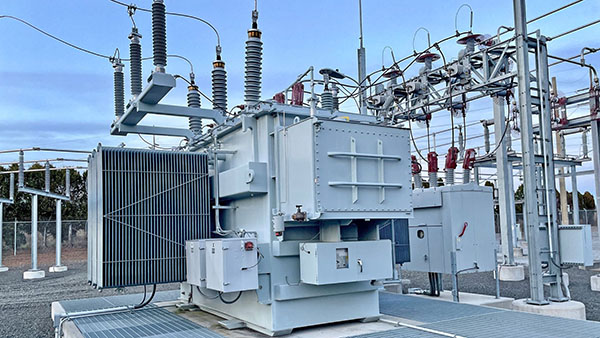
In the electric power industry, ensuring the smooth operation of transformers is essential for maintaining grid stability and preventing costly downtime. One of the most effective tools available to technicians is thermal imaging, which helps identify transformer hot spots early, preventing issues before they escalate into major failures. This article explores how to troubleshoot transformers using thermal imaging, focusing on identifying hot spots and addressing potential problems quickly.
Table of Contents
- Why Transformer Hot Spots Are a Concern
- The Basics of Thermal Imaging for Transformer Maintenance
- How to Use Thermal Imaging to Identify Transformer Hot Spots
- Common Hot Spot Locations and What They Mean
- Steps for Troubleshooting Transformer Hot Spots
- Interpreting Thermal Imaging Results
- Best Practices for Thermal Imaging Inspections
- Conclusion: The Role of Thermal Imaging in Proactive Transformer Maintenance
Why Transformer Hot Spots Are a Concern
Hot spots in transformers are areas where excessive heat accumulates, often indicating electrical faults such as overloading, poor connections, or deteriorating insulation. These hotspots are a serious concern because they can lead to transformer failures if left untreated. Overheating can cause insulation to break down, resulting in short circuits, equipment damage, and even fires. Early detection of hot spots using thermal imaging can save valuable equipment and reduce the risk of downtime.
Excessive heat is often caused by various issues, such as:
- Overloaded Transformers: Operating beyond rated capacity increases the heat generated in the transformer, stressing components.
- Loose Electrical Connections: Poor connections cause resistance, which generates localized heat.
- Deteriorating Insulation: Worn-out insulation can lead to internal arcing, which creates hotspots within the transformer.
- Dirty Components: Dust or moisture accumulation can cause partial discharge, contributing to overheating.
Regular thermal imaging inspections allow you to spot these hot spots early and address them before they lead to a catastrophic failure.
The Basics of Thermal Imaging for Transformer Maintenance
Thermal imaging uses infrared technology to detect heat differences across surfaces. A thermal camera records the infrared radiation emitted by an object and converts this data into a visual representation of temperature differences. These thermal images show temperature variations that are invisible to the naked eye but may indicate underlying issues, such as hot spots on transformer components.
Benefits of Thermal Imaging in Transformer Maintenance:
- Non-Contact Measurement: Thermal imaging allows technicians to inspect live equipment without direct contact, which is essential for safety.
- Early Problem Detection: Thermal imaging helps identify potential issues before they cause damage, allowing for timely maintenance and repairs.
- Cost-Effective: By preventing failures, thermal imaging reduces unplanned downtime, emergency repairs, and replacement costs.
- Comprehensive Coverage: Thermal cameras can scan large areas quickly, identifying multiple problem points in one inspection.
How to Use Thermal Imaging to Identify Transformer Hot Spots
Using thermal imaging to identify transformer hot spots requires a systematic approach. The process typically involves the following steps:
1. Set Up Your Equipment
Ensure that your thermal imaging camera is properly calibrated before starting the inspection. Check the battery, clean the lens, and make sure the camera is ready for use.
2. Safety First
Before conducting any inspection, make sure that you are following all necessary safety protocols. Ensure that you have proper personal protective equipment (PPE) and that the area around the transformer is secure.
3. Inspect the Transformer Under Load
For optimal results, perform thermal imaging inspections while the transformer is under normal or peak load. This is when hot spots are most likely to appear. Operating under load allows you to identify problems that might not manifest under idle conditions.
4. Scan the Entire Surface
Move the thermal camera across the surface of the transformer. Look for any temperature anomalies or areas that are significantly hotter than their surroundings. Pay special attention to areas where electrical connections, bushings, and components are located.
5. Capture Thermal Images
Take clear, high-quality images of any hot spots you identify. Ensure that the images capture the temperature differences effectively. If possible, save these images for future comparison or analysis.
Common Hot Spot Locations and What They Mean
Certain areas of the transformer are more prone to developing hot spots. Identifying these areas and understanding their implications is crucial for troubleshooting.
1. Bushing Connections
The bushing is a critical component that connects the transformer to external wiring. Loose connections or deteriorating insulation can generate heat. Over time, this heat can cause further damage, leading to costly repairs. Thermal imaging can help detect these issues before they escalate.
2. Tap Changer Contacts
The load tap changer (LTC) adjusts the transformer’s voltage. If the contacts become dirty or worn, they can develop resistance and generate localized heat. A thermal scan of the LTC can identify these problems early, allowing for timely intervention.
3. Transformer Bushings and Insulation
The bushings insulate electrical connections and allow for current flow from the transformer to external circuits. If the bushing or insulation is deteriorating, it can create localized heat. Thermal imaging can help detect early signs of bushing failure or insulation degradation.
4. Cooling Equipment
Transformers rely on cooling systems, such as fans or oil circulation systems, to maintain an optimal temperature. A thermal scan can identify cooling issues, such as blocked vents or malfunctioning cooling fans, that might cause overheating.
Steps for Troubleshooting Transformer Hot Spots
Once a hot spot has been detected, it’s important to troubleshoot the issue systematically to determine the root cause. Here are the steps to follow:
1. Verify the Hot Spot
Ensure that the thermal image is accurate and that the hot spot is not a result of external factors, such as sunlight or reflections. Confirm the temperature difference before proceeding.
2. Inspect the Area
Physically inspect the area where the hot spot is located. Look for signs of loose connections, dirt, or worn-out components that could be contributing to the heat buildup.
3. Perform Diagnostic Tests
Perform additional electrical tests, such as resistance or insulation testing, to verify the condition of components that might be contributing to the hot spot.
4. Address the Issue
Once the cause of the hot spot is identified, take corrective action. Tighten loose connections, replace damaged components, clean dirty parts, or replace failing insulation as needed.
Interpreting Thermal Imaging Results
Interpreting thermal images correctly is key to effective troubleshooting. The following tips can help you make the most of your thermal imaging inspections:
1. Temperature Thresholds
Understand the normal operating temperature range for your transformer and the components being inspected. A temperature difference of more than 10-15°C above ambient temperature may be an indicator of a potential problem.
2. Look for Patterns
Hot spots that appear consistently in the same area may indicate an ongoing issue, such as a recurring problem with a connection or component. Look for patterns over time to identify trends in transformer health.
3. Analyze the Surrounding Conditions
Consider environmental factors that might influence thermal readings, such as ambient temperature, humidity, and transformer load conditions. Adjust your interpretation based on these factors.
Best Practices for Thermal Imaging Inspections
To get the most out of thermal imaging, it’s important to follow best practices. Here are a few tips:
1. Regular Inspections
Make thermal imaging a regular part of your transformer maintenance routine. This allows you to monitor transformer health over time and identify issues before they become critical.
2. Proper Training
Ensure that technicians are trained in both operating the thermal imaging equipment and interpreting the results. Well-trained staff can more effectively spot issues and take the necessary action.
3. Record and Analyze Data
Keep detailed records of your thermal imaging inspections, including images and temperature readings. Analyzing trends over time can help you predict future problems and improve maintenance strategies.
Conclusion: The Role of Thermal Imaging in Proactive Transformer Maintenance
Thermal imaging is an invaluable tool in transformer maintenance, providing early detection of hot spots and potential issues. By identifying problems early, you can prevent costly repairs, extend transformer life, and ensure the reliability of your power grid. Integrating thermal imaging into your routine maintenance program and following best practices will help you maximize the benefits of this technology.
With regular inspections, proper troubleshooting, and the right equipment, thermal imaging can be a powerful ally in keeping your transformers running smoothly and efficiently.

 Portuguese
  English
  German
  Spanish
  French
  Vietnamese
  Afrikaans
  Amharic
  Arabic
  Aragonese
  Moroccan Arabic
  Assamese
  Azerbaijani
  South Azerbaijani
  Belarusian
  Bulgarian
  Bengali
  Tibetan
  Bosnian
  Catalan
  Czech
Czech  Danish
  Welsh
Welsh  Lower Sorbian
  Dzongkha
  Greek
Greek  Esperanto
  Estonian
  Basque
  Finnish
  Indonesian
  Italian
  Malayalam
  Latvian
  Panjabi
  Romanian
  Slovenian
  Russian