
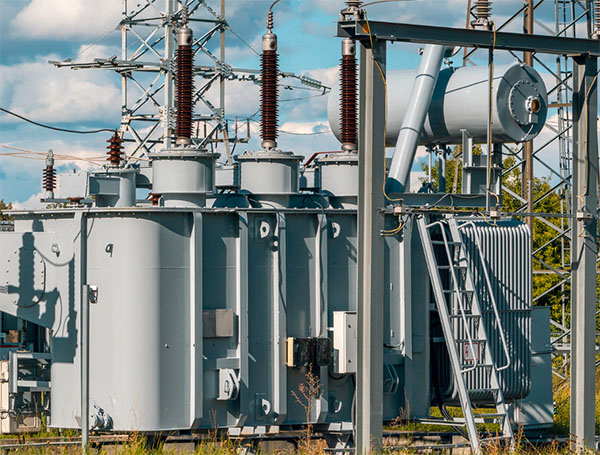
Partial discharge (PD) is an electrical phenomenon that can greatly impact the health and reliability of high-voltage equipment, including transformers, switchgear, cables, and other insulation systems. For those working in the electric power industry, understanding what partial discharge is and why it matters can be the difference between uninterrupted service and a costly, potentially dangerous breakdown.
In this article, we’ll explore the concept of partial discharge, how it arises, why you should be concerned about it, and the strategies you can use to detect and mitigate it. Drawing on experience from fieldwork, personal anecdotes, and real-world applications, we aim to provide an in-depth view of PD and its significance in ensuring a safe and efficient power distribution network.
1. Introduction: The Basics of Partial Discharge
Partial discharge is a localized electrical discharge that only partially bridges the insulation between conductors. Essentially, it is an unintended electrical release that occurs within a portion of the insulating material, rather than across the entire insulation gap. PD often results from imperfections, voids, or contaminants in the insulation or on its surface, and it can serve as an early indicator of insulation degradation.
Key Points:
- PD can appear in various forms: internal, surface, or corona discharge.
- It’s not always immediately noticeable but can accumulate damage over time.
- Regular monitoring and timely intervention can stop small PD issues from causing major breakdowns.
Why it Matters:
If left unchecked, partial discharge can escalate into a full-scale insulation failure, risking critical transformer damage or even leading to fires and explosions in the worst-case scenarios. In the competitive and safety-conscious power industry, this is unacceptable from both operational and regulatory standpoints.
2. Why You Should Worry About Partial Discharge
Operational Efficiency
Transformers and other high-voltage equipment are designed to operate within specific electrical and mechanical stress limits. Any flaw that leads to partial discharge disrupts these parameters, causing unplanned downtime, reduced equipment life, and increased repair expenses.
Safety Considerations
A PD event can release high levels of energy in a localized area, damaging insulation. This can create opportunities for arcs and internal faults. If an arc forms within a transformer or other equipment, it poses a significant safety hazard for workers and can damage surrounding equipment.
Economic Impact
Replacing or repairing a damaged transformer or large high-voltage component due to PD-related failures can cost power utilities and industrial users a considerable sum. In addition, outages hurt revenue streams and degrade customer trust, making PD a serious financial liability.
3. Common Causes and Types of PD
Not all partial discharge events are the same; they vary based on the location and initiating conditions. Understanding the differences helps in diagnosis and adopting the right mitigation strategies.
3.1 Internal Partial Discharge
Definition: Occurs within the insulation material, typically in voids, cracks, or imperfections in the dielectric medium.
Common Causes:
- Manufacturing defects in the insulation
- Aging or thermal cycling leading to micro-voids
- Moisture ingress
3.2 Surface Discharge
Definition: Happens along the surface of the insulating material rather than within it. Often results in tracking or erosion across the surface.
Common Causes:
- Contamination by dust, salt, or chemicals
- High humidity causing a conductive film on the insulator surface
- Insulation surface damage
3.3 Corona Discharge
Definition: A discharge that occurs in the air (or gas) around a conductor at high voltage, often forming a visible or audible corona around sharp edges or protrusions.
Common Causes:
- High electric fields at edges or points
- Defective fittings or poorly designed geometry
- Environmental factors like high humidity
4. Warning Signs and Consequences
Elevated PD Levels: If you have monitoring tools in place, a sudden spike in PD readings is a clear sign that something is wrong. Prolonged elevated readings almost always require a closer look.
Audible Noise: In some conditions, PD can be heard as a faint popping or sizzling sound, especially at higher voltage levels.
Thermal Anomalies: Partial discharge events generate heat. If you spot unexplained hotspots via thermal imaging, investigate for possible PD activity.
Consequences:
- Insulation Degradation: Over time, repeated PD events break down insulation, leading to lower dielectric strength.
- Increased Failure Risk: Left unresolved, PD can grow into full breakdowns.
- Financial Implications: Costs for emergency repairs, replacements, and downtime can be enormous.
5. Tools and Techniques for PD Detection
Given the seriousness of PD, detection and analysis methods have advanced significantly. Here are the primary tools employed:
- Partial Discharge Detectors
Specialized instruments that measure PD activity, often using sensors or capacitive couplers attached to or near the equipment. - Ultrasonic and Acoustic Emission Devices
PD events can emit ultrasonic frequencies, which these devices pick up, helping locate and assess PD severity. - Thermal Imaging Cameras
While not strictly PD detectors, hot spots revealed through infrared imaging can indicate areas of high electrical stress, including PD. - On-Line Monitoring Systems
Continuous monitoring solutions can measure PD in real time, alerting operators to abnormal discharge levels or trends.
6. Real-World Anecdotes: PD Caught in Time
Anecdote 1: In one industrial facility I worked with, an on-line PD monitoring system flagged a sudden spike in discharge levels in a high-voltage transformer late one night. The maintenance crew shut down the equipment and discovered a developing void in the main insulation. Prompt repair prevented a failure that would have cost the plant several days of lost production and tens of thousands in repair bills.
Anecdote 2: A rural utility using older distribution transformers performed a scheduled PD check with a handheld instrument. One bushing showed moderately high PD readings. Inspection revealed a cracked porcelain layer. By replacing the bushing preemptively, they avoided losing service to an entire agricultural zone, which would have resulted in severe disruptions and customer dissatisfaction.
7. Best Practices for Managing Partial Discharge
Integrate PD Checks into Routine Maintenance
Incorporate PD checks during scheduled inspections or combine them with other tests like insulation resistance measurements. Even a quarterly or semiannual PD reading can make a difference in catching issues early.
Combine Visual Inspections and PD Monitoring
While PD detectors help identify internal discharge, a visual check might reveal external conditions—cracks or contamination—that contribute to PD. Pair these methods for a comprehensive approach.
Track PD Trends Over Time
One isolated PD reading can be misleading. Logging PD data allows technicians to see whether PD is stable, increasing, or decreasing, enabling more informed decision-making on repairs or replacements.
Perform Confirmatory Tests
If your PD readings suggest a serious problem, follow up with more in-depth diagnostics such as dielectric response measurements or partial discharge location pinpointing.
8. Training Your Team to Combat PD
Effectively managing partial discharge requires a team skilled in both the tools and the theory behind PD. Some recommended training aspects include:
- Equipment Proficiency: Staff should understand how to operate PD detectors, acoustic emission tools, and related software.
- Interpreting Data: Knowledge of PD patterns and trending analysis is key to making informed decisions about repairs or replacements.
- Safety Protocols: Handling high-voltage systems demands rigorous adherence to lockout/tagout and safe distance practices.
Investing in training not only protects your workforce but also ensures that potential PD issues are spotted and resolved efficiently.
9. Looking Ahead: Future Trends in Partial Discharge Management
The evolving power landscape, with higher voltage levels and more diverse load profiles, makes PD management a growing field. Emerging trends include:
- AI-Driven Analytics: Machine learning algorithms will improve how we interpret PD data, making alerts more accurate and predictive.
- Remote and Continuous Monitoring: As sensors become cheaper and more reliable, near real-time PD monitoring will become the norm, reducing the need for manual checks.
- Integration with Smart Grids: PD data can be aggregated with other transformer and grid data to enhance overall grid reliability and even feed into self-healing network protocols.
Conclusion
Partial discharge is a silent yet significant threat to high-voltage equipment like transformers. Even minor PD events can, over time, develop into major insulation failures that cost operators thousands—if not millions—in repairs, downtime, and lost revenue. Understanding what partial discharge is, how to detect it, and why it matters is crucial for any professional in the electric power industry.
From real-time monitoring to scheduled diagnostic tests, various strategies exist to keep PD in check. Adopting these methods, investing in staff training, and staying current with emerging PD detection technologies can dramatically reduce the risk of catastrophic transformer failures. Ultimately, a proactive approach to partial discharge can safeguard both your equipment and bottom line, ensuring your power system remains robust in an ever-demanding energy landscape.

 Portuguese
  English
  German
  Spanish
  French
  Vietnamese
  Afrikaans
  Amharic
  Arabic
  Aragonese
  Moroccan Arabic
  Assamese
  Azerbaijani
  South Azerbaijani
  Belarusian
  Bulgarian
  Bengali
  Tibetan
  Bosnian
  Catalan
  Czech
Czech  Danish
  Welsh
Welsh  Lower Sorbian
  Dzongkha
  Greek
Greek  Esperanto
  Estonian
  Basque
  Finnish
  Indonesian
  Italian
  Malayalam
  Latvian
  Panjabi
  Romanian
  Slovenian
  Russian