
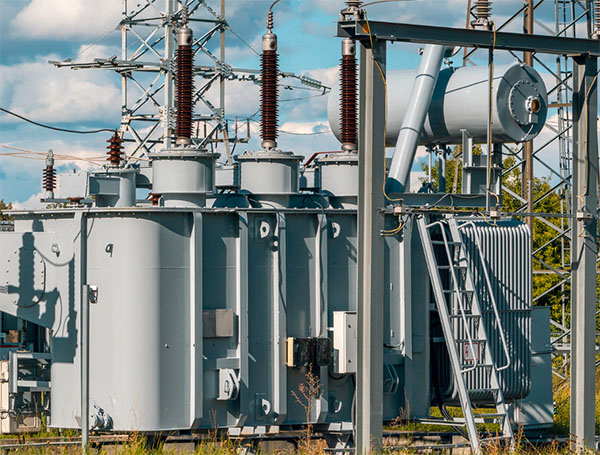
In the power industry, ensuring transformer reliability is not just about reactive repairs but a proactive, integrated maintenance approach. Transformers are the lifeblood of the electrical grid, but they also endure immense mechanical and electrical stress. Identifying problems early can save time, money, and prevent catastrophic failures. One of the most effective ways to achieve this is by combining vibration analysis with routine transformer maintenance.
Vibration analysis provides real-time insights into the mechanical condition of transformers and can often highlight issues before they develop into significant faults. When combined with traditional maintenance practices such as oil testing, thermography, and electrical inspections, vibration analysis offers a holistic approach to transformer health monitoring. In this article, we will explore how integrating vibration analysis with your routine transformer maintenance can optimize performance, reduce unplanned downtime, and enhance the lifespan of your equipment.
The Importance of Integrating Vibration Analysis with Transformer Maintenance
Vibration analysis is a powerful tool, but when used in isolation, it may not provide the complete picture. Integrating it with other maintenance strategies enhances the predictive maintenance process, enabling maintenance teams to take a holistic view of transformer health.
Early Detection of Mechanical Failures
Vibrations can signal mechanical failures before they manifest as visible issues or failures in electrical performance. For example, a worn bearing or an imbalance in the windings will show up as abnormal vibration patterns. By analyzing these patterns, you can detect early-stage problems like:
- Loose connections: Loose bolts or fixtures can cause excessive vibration and signal the need for tightening or replacement.
- Misalignment: Components such as fans, pumps, or transformers’ rotating elements can become misaligned over time, resulting in abnormal vibrations.
- Bearing wear: Bearings that are worn out or in need of lubrication will manifest as increased vibration at certain frequencies.
By using vibration analysis alongside regular inspections, oil sampling, and thermographic surveys, maintenance teams can address mechanical issues early before they escalate into more severe failures.
Reduced Downtime and Operational Interruptions
One of the most significant benefits of integrating vibration analysis is minimizing unplanned downtime. When you can detect mechanical degradation early, you have more flexibility to schedule repairs during planned outages, which minimizes the disruption to operations. In contrast, failing to identify issues early could lead to unscheduled shutdowns, costly repairs, and even a complete transformer failure.
Extended Transformer Life
Routine maintenance can catch small issues, but combining vibration analysis allows you to monitor the mechanical health of transformers on a continuous basis. This not only helps to avoid sudden failures but also helps to extend the operational life of your transformers by addressing wear and tear before it becomes catastrophic.
How to Effectively Integrate Vibration Analysis with Transformer Maintenance
Integrating vibration analysis with transformer maintenance involves a structured approach that combines sensor technology, data analysis, and teamwork. Below, we’ll break down the steps necessary to integrate vibration analysis seamlessly into your transformer maintenance routine.
1. Install Vibration Sensors Strategically
The first step in integrating vibration analysis is to ensure that vibration sensors are properly installed on key components of the transformer. Strategic placement is crucial for accurate readings. Components such as bearings, fans, bushings, and the core should be equipped with sensors to capture data from different parts of the transformer.
2. Collect Baseline Data
Start by collecting baseline vibration data from your transformers. These initial readings will give you a benchmark against which future measurements can be compared. This data should include vibration amplitude, frequency, and spectral data. These readings will help you understand normal operating conditions and set acceptable thresholds.
3. Combine with Other Diagnostic Tools
Vibration analysis should never be used in isolation. Combine it with other diagnostic tools for a comprehensive assessment of transformer health. For example, oil testing can provide insight into contamination, while thermographic inspections can detect overheating or hot spots. Together, these tools create a more complete picture of transformer performance.
- Oil Testing: Measures contamination, moisture, and dielectric strength.
- Infrared Thermography: Detects abnormal temperature gradients that indicate potential electrical issues.
- Electrical Testing: Measures parameters like insulation resistance and turns ratio to assess electrical health.
By integrating vibration analysis with these tools, you increase the accuracy of your condition monitoring and provide more data points for making decisions about transformer maintenance.
4. Trend Data Over Time
One of the most powerful aspects of vibration analysis is the ability to track trends over time. Instead of simply looking for anomalies, trending allows you to monitor changes in vibration data and identify patterns that signal degradation. This proactive approach allows you to address emerging issues before they turn into major problems.
When integrated with a condition-based monitoring system, vibration data can trigger maintenance alerts or work orders when readings exceed defined thresholds. For instance, an increase in vibration amplitude at a specific frequency band might signal that bearings are wearing down. This early warning allows maintenance teams to schedule corrective action before the problem worsens.
5. Regular Maintenance Scheduling
Vibration analysis should be integrated into your regular transformer maintenance schedule. Rather than waiting for a problem to become visible, make vibration analysis a routine part of your preventive maintenance inspections. Perform vibration measurements during every maintenance cycle and compare results with the baseline data to identify any shifts in the vibration pattern.
Best Practices for Integrating Vibration Analysis with Transformer Maintenance
Here are some key best practices for integrating vibration analysis effectively into your transformer maintenance program:
1. Ensure Proper Calibration of Vibration Sensors
Regularly calibrate vibration sensors to ensure that they are providing accurate data. Drift in sensor calibration can lead to inaccurate readings, which may result in missed issues or false alarms. Make sure to follow manufacturer guidelines for sensor calibration.
2. Establish Data Interpretation Protocols
Training your team to interpret vibration data correctly is essential. Establish protocols for analyzing vibration data, including recognizing patterns indicative of specific issues like misalignment, bearing wear, or mechanical imbalance. Data should also be recorded consistently to track changes over time.
3. Use Predictive Maintenance Software
Predictive maintenance software can help integrate vibration analysis with other diagnostic tools and create actionable insights. Software can automate trend analysis and notify operators when vibration data exceeds preset limits. With real-time alerts, maintenance teams can quickly respond to emerging problems.
4. Regular Training and Skill Development
Vibration analysis is a specialized skill, and integrating it into your routine maintenance practices requires that your team is properly trained. Ensure that maintenance personnel are well-versed in vibration analysis and are capable of interpreting data and identifying problems before they turn into failures.
5. Implement a Condition Monitoring System
A condition-based monitoring system that integrates vibration data, oil analysis, thermography, and electrical testing can significantly improve your ability to predict and prevent transformer failures. This system allows for continuous monitoring of critical parameters, providing real-time feedback on the transformer’s health.
Case Study: Successful Integration of Vibration Analysis
In one case study from a major utility provider, a team integrated vibration analysis with their routine transformer maintenance and achieved significant benefits. Prior to integrating vibration monitoring, the team faced frequent unexpected failures in transformers, which resulted in significant downtime and costly repairs.
After implementing a vibration analysis system, they identified vibration patterns that signaled early-stage bearing wear in several transformers. The data showed a consistent increase in vibration amplitude over several months, which was linked to deteriorating bearings. The team was able to replace the bearings during planned maintenance, avoiding a full transformer failure.
By combining vibration analysis with traditional oil testing and electrical inspections, the utility was able to prevent unplanned downtime, optimize repair schedules, and extend the lifespan of their transformers.
The Future of Integrated Transformer Maintenance
As technology continues to evolve, the future of transformer maintenance will increasingly rely on automation and predictive analytics. Artificial intelligence and machine learning are already being integrated into vibration analysis systems to help identify patterns and predict failures more accurately. These advancements will make it easier to interpret complex data and automate decision-making, further enhancing transformer reliability.
Additionally, the growing adoption of Internet of Things (IoT) technology will allow real-time data sharing across multiple transformers, improving fleet-wide analysis and decision-making. Utilities will be able to monitor not just individual transformers but entire grids of transformers in real time, optimizing their maintenance schedules and ensuring consistent power delivery.
Conclusion
Integrating vibration analysis into your transformer maintenance routine offers a powerful way to detect early-stage mechanical issues and prevent costly failures. By combining vibration data with other diagnostic tools such as oil testing, thermography, and electrical inspections, maintenance teams can gain a holistic view of transformer health. With regular data collection, trending, and proper interpretation, vibration analysis can become a cornerstone of a proactive maintenance strategy, leading to reduced downtime, extended transformer life, and enhanced overall performance.
In the end, the goal is clear: optimize transformer health and performance through integrated monitoring and data-driven decision-making. By mastering this approach, you’ll ensure your transformers are always running at their best, minimizing operational interruptions and maximizing reliability.

 Russian
  English
  German
  Spanish
  French
  Portuguese
  Vietnamese
  Afrikaans
  Amharic
  Arabic
  Aragonese
  Moroccan Arabic
  Assamese
  Azerbaijani
  South Azerbaijani
  Belarusian
  Bulgarian
  Bengali
  Tibetan
  Bosnian
  Catalan
  Czech
Czech  Danish
  Welsh
Welsh  Lower Sorbian
  Dzongkha
  Greek
Greek  Esperanto
  Estonian
  Basque
  Finnish
  Indonesian
  Italian
  Malayalam
  Latvian
  Panjabi
  Romanian
  Slovenian