
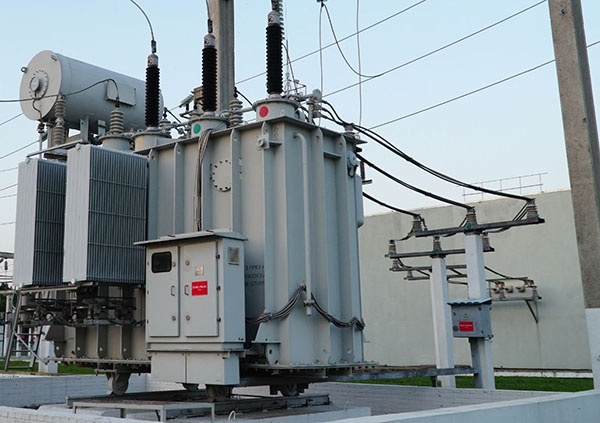
Learn the differences between grounding and bonding in electrical systems. Understand their roles, importance in safety, and best practices for electric power industry professionals to ensure system reliability and compliance.
Table of Contents
- Introduction: Grounding and Bonding Explained
- Understanding Grounding and Bonding
- Key Differences Between Grounding and Bonding
- Importance in Electrical Systems
- Personal Anecdote: Grounding and Bonding Issue
- Case Study: Grounding and Bonding
- Best Practices for Grounding and Bonding
- Common Challenges and Solutions
- Emerging Technologies for Grounding and Bonding
- Conclusion
- FAQ
1. Introduction: Grounding and Bonding Explained
In the realm of electrical engineering and power distribution, grounding and bonding are foundational concepts that ensure system safety, reliability, and performance. While often used interchangeably, grounding and bonding serve distinct purposes within electrical systems. Understanding the differences and proper implementation of each is crucial for electric power industry professionals to prevent hazards, maintain system integrity, and comply with regulatory standards.
This article explores the definitions, key differences, and the importance of grounding and bonding in electrical systems. It delves into best practices, real-world anecdotes, and case studies to provide a comprehensive understanding tailored for electric power industry workers.
2. Understanding Grounding and Bonding
Before addressing whether grounding and bonding are the same thing, it’s essential to define each term and understand their roles within electrical systems.
2.1. Definition of Grounding
Grounding refers to the process of connecting electrical systems to the earth. This connection provides a reference point for system voltages, facilitates the dissipation of electrical surges, and enhances safety by providing a path for fault currents to safely return to the ground.
- Earth Ground: The physical connection to the earth, typically through ground rods, plates, or other grounding electrodes.
- Reference Voltage: Establishes a stable voltage reference for the electrical system, ensuring consistent operation of equipment.
- Surge Protection: Helps protect the system from voltage spikes caused by lightning strikes, switching operations, or other transient events.
2.2. Definition of Bonding
Bonding involves connecting various metallic parts of an electrical system together to ensure they maintain the same electrical potential. This reduces the risk of voltage differences that can cause electric shocks or equipment damage.
- Metallic Pathways: Connects different metallic components such as conduit, equipment enclosures, and grounding conductors.
- Equal Potential: Ensures all bonded components remain at the same electrical potential, minimizing shock hazards.
- Fault Current Path: Provides a low-resistance path for fault currents to return to the source, facilitating the operation of protective devices.
3. Key Differences Between Grounding and Bonding
While grounding and bonding are interconnected concepts in electrical systems, they serve distinct functions. Understanding their differences is vital for proper electrical system design and safety.
3.1. Purpose
- Grounding: Primarily aimed at providing a reference point for system voltages and protecting against electrical surges and lightning strikes.
- Bonding: Focuses on ensuring all metallic parts are at the same potential, preventing electrical shock hazards and ensuring effective fault current pathways.
3.2. Method
- Grounding: Involves connecting the electrical system to the earth using grounding electrodes and conductors.
- Bonding: Involves connecting metallic parts within the system using bonding conductors to create a unified electrical potential.
3.3. Effects on Safety
- Grounding: Enhances safety by providing a path for fault currents, reducing the risk of electrical fires and equipment damage.
- Bonding: Prevents voltage differences between metallic parts, minimizing the risk of electric shocks to personnel.
4. Importance in Electrical Systems
Both grounding and bonding are critical for the safe and efficient operation of electrical systems. Their proper implementation ensures system reliability, protects equipment, and safeguards personnel from electrical hazards.
- System Reliability: Grounding stabilizes system voltages, while bonding ensures consistent electrical potentials, both contributing to the reliable operation of electrical equipment.
- Equipment Protection: Prevents damage from electrical surges, short circuits, and voltage imbalances, extending the lifespan of electrical devices.
- Personnel Safety: Reduces the risk of electrical shocks and arc flash incidents by maintaining safe electrical potentials and providing clear paths for fault currents.
5. Personal Anecdote: Grounding and Bonding Issue
During a routine inspection at a large manufacturing facility, our team encountered frequent equipment malfunctions and unexpected shutdowns. Initial diagnostics pointed to intermittent power surges and unstable voltage levels. Despite multiple interventions, the issue persisted, frustrating both the maintenance team and production managers.
Upon conducting a thorough inspection, we discovered that several key pieces of equipment were improperly bonded. The bonding conductors were either loose or corroded, leading to potential differences between metallic parts and allowing stray currents to flow through unintended paths. Additionally, the grounding system was inadequate, failing to provide a stable reference point for system voltages.
By re-establishing proper bonding connections and reinforcing the grounding system with additional electrodes, the power quality stabilized, and equipment malfunctions ceased. This experience underscored the critical importance of maintaining robust grounding and bonding practices to ensure system stability and prevent operational disruptions.
Lesson Learned: Even minor deviations in grounding and bonding can lead to significant power quality issues and equipment damage. Regular inspections and adherence to best practices are essential for maintaining electrical system integrity and reliability.
6. Case Study: Grounding and Bonding
Background
A utility company was expanding its distribution network to a new industrial zone. The project involved installing multiple transformers, substations, and extensive wiring to support the growing demand. During the installation phase, the team faced challenges related to grounding and bonding, which threatened to delay the project and increase costs.
Challenge
One of the key transformers in the new substation was experiencing intermittent faults and overheating. Initial assessments indicated potential issues with the grounding and bonding connections, but the exact cause was unclear. The project timeline was tight, and resolving these issues quickly was critical to avoid delays.
Solution
- Comprehensive Grounding Assessment: Conducted a detailed analysis of the grounding system, including soil resistivity tests, grounding electrode placements, and conductor sizing.
- Bonding Inspection: Inspected all bonding conductors for continuity, corrosion, and proper connections to ensure that all metallic parts were at the same electrical potential.
- System Redesign: Redesigned parts of the grounding and bonding system to comply with IEEE and IEC standards, including the installation of additional grounding electrodes and the use of higher-grade bonding conductors.
- Testing and Verification: Performed rigorous testing, including ground resistance measurements and fault current simulations, to verify the effectiveness of the redesigned system.
Outcome
- Enhanced System Stability: The redesigned grounding and bonding system provided a stable reference point for voltages, eliminating voltage fluctuations and reducing fault incidences.
- Reduced Equipment Failures: Improved bonding ensured that all metallic parts were at the same potential, preventing stray currents and reducing equipment overheating.
- Project Completion: The utility company successfully completed the substation installation on schedule, with enhanced safety and reliability, leading to increased customer satisfaction and trust.
Key Takeaway: A well-designed and properly implemented grounding and bonding system is essential for the stability, safety, and reliability of electrical distribution networks. Investing time and resources in comprehensive assessments and adherence to standards can prevent costly issues and ensure successful project outcomes.
7. Best Practices for Grounding and Bonding
Implementing effective grounding and bonding practices is vital for the safety and performance of electrical systems. Here are some best practices that electric power industry professionals should follow:
7.1. Proper Installation
- Adhere to Standards: Follow national and international electrical codes (e.g., NEC, IEEE, IEC) that dictate proper grounding and bonding practices.
- Use Quality Materials: Utilize high-quality grounding electrodes, conductors, and connectors to ensure reliable performance and longevity.
- Correct Sizing: Properly size grounding and bonding conductors based on the system’s fault current levels and load requirements to prevent overheating and ensure effective fault current pathways.
- Secure Connections: Ensure all grounding and bonding connections are tight, free from corrosion, and protected from environmental factors such as moisture and physical damage.
7.2. Compliance with Standards
- Follow Code Requirements: Ensure all grounding and bonding installations comply with relevant electrical codes and standards, which provide guidelines for safety and performance.
- Regular Updates: Stay informed about updates to electrical standards and incorporate new practices and technologies that enhance grounding and bonding effectiveness.
- Documentation: Maintain detailed records of grounding and bonding installations, including testing results and compliance certifications, to facilitate inspections and audits.
7.3. Regular Inspection and Maintenance
- Scheduled Inspections: Conduct regular inspections of grounding and bonding systems to identify and rectify issues such as loose connections, corrosion, and material degradation.
- Testing: Perform routine testing, including ground resistance measurements and continuity checks, to ensure the integrity and effectiveness of grounding and bonding systems.
- Preventive Maintenance: Implement preventive maintenance programs that include cleaning, tightening connections, and replacing worn or damaged components to maintain optimal system performance.
- Environmental Protection: Protect grounding and bonding conductors from environmental factors by using appropriate conduit, enclosures, and protective coatings.
8. Common Challenges and Solutions
Despite following best practices, certain challenges can arise in the implementation and maintenance of grounding and bonding systems. Addressing these challenges effectively is crucial for ensuring system safety and reliability.
8.1. Grounding Issues
Issue:
- High Ground Resistance: Poor soil conditions or inadequate grounding electrode installations can result in high ground resistance, reducing the effectiveness of the grounding system.
- Ground Loops: Multiple grounding points can create ground loops, leading to unwanted currents and interference in sensitive equipment.
Solution:
- Soil Treatment: Improve soil conductivity around grounding electrodes by using ground enhancement materials or moisture-retaining compounds.
- Proper Electrode Installation: Ensure adequate depth and spacing of grounding electrodes to minimize ground resistance and enhance system performance.
- Avoid Ground Loops: Design grounding systems to have a single grounding point or use isolation techniques to prevent ground loops and reduce interference.
8.2. Bonding Errors
Challenge:
- Loose Connections: Loose or poorly connected bonding conductors can lead to ineffective bonding, resulting in potential differences and shock hazards.
- Incorrect Bonding Paths: Improper bonding paths can create unintended current flows, compromising system safety and performance.
Solution:
- Regular Tightening: Implement regular maintenance schedules to tighten bonding connections and ensure they remain secure over time.
- Correct Bonding Routes: Design bonding paths carefully to ensure that all metallic parts are connected correctly, avoiding unintended current flows and maintaining system balance.
- Use of Bonding Clamps: Utilize high-quality bonding clamps and connectors that provide reliable and long-lasting connections, reducing the risk of loosening or corrosion.
8.3. Material Degradation
Problem:
- Corrosion: Exposure to moisture, chemicals, and environmental elements can cause corrosion of grounding and bonding conductors, weakening connections and increasing resistance.
- Wear and Tear: Physical wear and tear from mechanical stress, vibrations, or thermal cycling can degrade materials, leading to potential connection failures.
Approach:
- Protective Coatings: Apply protective coatings or corrosion-resistant materials to grounding and bonding conductors to prevent corrosion and extend their lifespan.
- Environmental Controls: Implement environmental controls, such as sealing connections and using weatherproof enclosures, to protect conductors from harsh conditions.
- Regular Replacement: Schedule regular replacement of aging or degraded materials to maintain the integrity and effectiveness of grounding and bonding systems.
9. Emerging Technologies for Grounding and Bonding
Advancements in technology are enhancing the ability to design, monitor, and maintain effective grounding and bonding systems. These emerging technologies offer improved accuracy, efficiency, and safety for electrical systems.
- Smart Grounding Systems: Integrate digital sensors and communication interfaces into grounding systems to provide real-time monitoring of ground resistance, potential differences, and system performance.
- Internet of Things (IoT) Integration: Utilize IoT-enabled devices to continuously collect and transmit data on grounding and bonding conditions, enabling proactive maintenance and rapid response to issues.
- Advanced Diagnostic Tools: Employ sophisticated diagnostic tools, such as ground resistance testers and phase-sensitive oscilloscopes, to accurately assess grounding and bonding integrity.
- Machine Learning and AI: Leverage machine learning algorithms to analyze historical grounding and bonding data, predicting potential failures and optimizing maintenance schedules.
- Augmented Reality (AR) for Maintenance: Use AR applications to guide technicians through complex grounding and bonding inspections and repairs, improving accuracy and reducing the likelihood of errors.
These technologies not only streamline the monitoring and maintenance processes but also enhance the overall safety and reliability of electrical systems by enabling early detection and resolution of grounding and bonding issues.
10. Conclusion
Grounding and bonding are distinct yet complementary components of electrical systems that play critical roles in ensuring safety, reliability, and efficient operation. While grounding provides a stable reference point and protection against electrical surges, bonding ensures that all metallic parts within the system maintain the same electrical potential, preventing shock hazards and facilitating effective fault current pathways.
Key Takeaway: Understanding and properly implementing grounding and bonding practices are essential for maintaining the integrity and safety of electrical systems. By adhering to best practices, complying with industry standards, and leveraging emerging technologies, electric power industry professionals can ensure robust and reliable electrical infrastructure, safeguarding both equipment and personnel from potential hazards.
11. FAQ
- Is grounding the same as bonding?
No, grounding and bonding are not the same. Grounding involves connecting electrical systems to the earth to stabilize voltages and protect against surges, while bonding connects metallic parts to ensure they are at the same electrical potential, preventing shock hazards. - Why are both grounding and bonding necessary?
Grounding and bonding serve complementary purposes. Grounding stabilizes system voltages and provides a path for fault currents, while bonding ensures that all metallic parts are at the same potential, reducing the risk of electrical shocks and equipment damage. - Can I perform grounding without bonding?
While technically possible, performing grounding without bonding can create safety hazards, such as voltage differences between metallic parts, increasing the risk of electrical shocks and equipment damage. - What are the main components of a grounding system?
The main components include grounding electrodes (ground rods, plates), grounding conductors, bonding conductors, and grounding terminals or busbars that connect the system to the earth. - How often should grounding and bonding systems be inspected?
Grounding and bonding systems should be inspected regularly as part of routine maintenance schedules, typically annually or more frequently in high-risk or critical environments, to ensure their integrity and effectiveness. - What materials are commonly used for grounding and bonding conductors?
Copper and aluminum are the most commonly used materials for grounding and bonding conductors due to their excellent electrical conductivity and durability. - Can improper bonding lead to electrical fires?
Yes, improper bonding can result in voltage differences and stray currents that increase the risk of electrical fires, as excessive currents can generate heat and ignite surrounding materials. - How does grounding protect against lightning strikes?
Grounding provides a direct path for lightning-induced surges to dissipate safely into the earth, preventing damage to electrical equipment and reducing the risk of fires and shocks. - Are there specific standards for grounding and bonding?
Yes, standards such as the National Electrical Code (NEC), IEEE standards, and International Electrotechnical Commission (IEC) guidelines provide comprehensive requirements and best practices for grounding and bonding in electrical systems. - What are the consequences of neglecting grounding and bonding?
Neglecting grounding and bonding can lead to severe safety hazards, including electrical shocks, equipment damage, fires, and system instability, compromising both personnel safety and operational reliability.
Author’s Note: Grounding and bonding are fundamental practices in electrical engineering that ensure the safety and reliability of electrical systems. By distinguishing their roles and implementing them correctly, electric power industry professionals can prevent hazards, enhance system performance, and maintain compliance with safety standards. Continuous education, regular maintenance, and the adoption of advanced technologies are key to effective grounding and bonding management.

 Russian
  English
  German
  Spanish
  French
  Portuguese
  Vietnamese
  Afrikaans
  Amharic
  Arabic
  Aragonese
  Moroccan Arabic
  Assamese
  Azerbaijani
  South Azerbaijani
  Belarusian
  Bulgarian
  Bengali
  Tibetan
  Bosnian
  Catalan
  Czech
Czech  Danish
  Welsh
Welsh  Lower Sorbian
  Dzongkha
  Greek
Greek  Esperanto
  Estonian
  Basque
  Finnish
  Indonesian
  Italian
  Malayalam
  Latvian
  Panjabi
  Romanian
  Slovenian