
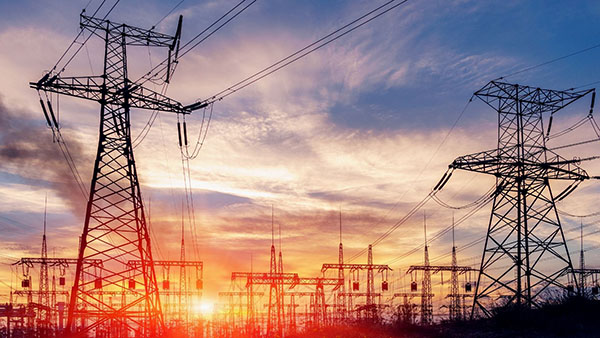
Substations are the heart of our electrical distribution systems, ensuring that power flows efficiently and safely from generation sources to homes, industries, and businesses. But substation safety goes beyond just monitoring the incoming and outgoing electrical flow. It involves the prevention of electrical faults, protection of personnel, and the longevity of expensive equipment. One of the critical steps in ensuring substation safety is proper insulation testing.
Why Insulation Testing is Crucial for Substation Safety
When it comes to substations, insulation failures can lead to disastrous consequences—injuries, equipment damage, power outages, and even fires. Therefore, insulation testing serves as a primary line of defense, identifying weaknesses in the insulation that could lead to system failures.
Protecting Personnel from Electrical Hazards
As an electrical engineer with over 15 years of experience, I’ve witnessed firsthand how the integrity of insulation directly affects safety in the field. On one occasion, I worked on a high-voltage substation where a transformer’s insulation had worn down over time. Fortunately, regular testing had identified the potential fault before it could lead to a catastrophic failure. The insulation resistance readings had dropped below safe levels, indicating that the transformer’s insulation was no longer capable of withstanding the system’s voltage. Had we not caught this in time, it could have resulted in electrical discharge, putting personnel in harm’s way.
Regular insulation testing serves as a critical component of the overall safety strategy for substations. By proactively identifying faulty or deteriorating insulation, we can significantly reduce the risk of electrical accidents and injuries.
Preventing Equipment Damage and Unplanned Downtime
In addition to personnel safety, the protection of substation equipment is paramount. Without insulation, electrical components such as transformers, circuit breakers, and cables are susceptible to high-voltage surges, which can result in severe damage or even total failure. If insulation isn’t tested and maintained properly, components can short-circuit, causing the entire substation to shut down.
In a previous project, we conducted insulation resistance tests on a substation transformer that had been in operation for over 20 years. The results were concerning—insulation resistance had decreased to near-critical levels. A quick decision was made to perform additional testing, and we identified a developing issue in the transformer’s primary winding. Thanks to early intervention, we avoided costly repairs and an unexpected shutdown that would have impacted the power grid for days.
By performing routine insulation testing, we can avoid such costly failures and ensure that the substation operates smoothly, with minimal downtime and disruption to the power supply.
Meeting Industry Regulations and Standards
Substation safety isn’t just about best practices—it’s also about compliance. Regulatory bodies like the IEEE and IEC have set rigorous standards for insulation testing in substations. Insulation resistance tests are often mandated by these bodies as part of routine maintenance to ensure electrical systems are operating safely and efficiently.
Not adhering to these standards could result in fines, sanctions, or worst of all, a safety incident that leads to the loss of life or property. In the years I’ve been working in this industry, I’ve seen numerous incidents where failure to follow these regulations has led to not only loss of equipment but also costly legal consequences.
Types of Insulation Tests for Substations
Now that we understand why insulation testing is essential, let’s dive into the types of tests that are commonly performed in substations to check for insulation integrity.
Insulation Resistance Testing
Insulation resistance testing is the most common form of testing used in substations. This method involves applying a DC voltage to the equipment and measuring the resistance between conductors and earth ground. A drop in insulation resistance indicates the insulation is deteriorating or compromised.
How to Perform Insulation Resistance Testing:
- Prepare the Equipment: Isolate the equipment you are testing. Disconnect it from the live circuit to ensure no interference during testing.
- Set the Correct Voltage: Use the manufacturer’s recommendations to set the correct test voltage for the equipment.
- Test Resistance: Apply the voltage to the system and measure the resistance. A resistance value of 1 MΩ or higher is typically considered acceptable, though this can vary depending on the equipment.
- Interpret Results: Resistance below 1 MΩ or rapidly declining values may indicate a breakdown in insulation.
By routinely performing insulation resistance testing, you can identify issues like moisture ingress, contamination, or physical damage to the insulation before it results in complete failure.
High-Voltage (Hipot) Testing
For high-voltage equipment, such as transformers, breakers, and cables, hipot testing (high potential testing) is essential. Hipot testing applies a high-voltage, typically 2-3 times the equipment’s rated voltage, to ensure that the insulation can withstand extreme electrical stress.
Safety First:
Hipot testing is more dangerous due to the high voltage applied, so proper safety precautions must be followed. Always ensure that the equipment is isolated, and wear the necessary protective gear to avoid electrocution risks.
Personal Story: I remember a project where we were testing a set of medium-voltage cables using hipot testing. One of the cables failed catastrophically during the test—sparking a visible discharge. Fortunately, the failure occurred during the test, allowing us to correct the issue before the cables were put into service. This is why I stress to my team that these tests are essential to ensuring both equipment safety and personnel protection.
Partial Discharge (PD) Testing
Partial discharge (PD) testing is used to detect small electrical discharges within the insulation that may not be visible during regular tests but can gradually lead to insulation failure. PD is often used in transformers and cables.
Steps for PD Testing:
- Select the Right Equipment: Use a PD detector or sensor that can identify and measure partial discharge.
- Test Under Normal Operating Conditions: PD testing should be performed during normal operation to simulate the real conditions under which equipment will run.
- Analyze Data: PD testing typically generates data on the frequency, magnitude, and location of the discharge. Interpret this data to determine whether insulation integrity is at risk.
This method is highly effective in identifying latent defects that might be invisible to other testing methods, providing valuable insights into the long-term reliability of the insulation.
How to Ensure Accurate Insulation Testing in Substations
Ensuring accuracy in insulation testing is critical. Here’s how you can ensure your testing is precise and reliable.
Preparing the Substation for Testing
Before you start any insulation test, make sure the substation is safely prepared for testing:
- Power Down Equipment: Always power down the equipment and isolate it before conducting any tests.
- Inspect for Physical Damage: Check all components for signs of physical wear or damage that could affect test accuracy.
- Check Calibration: Ensure your testing equipment is calibrated to avoid faulty readings.
Selecting the Correct Voltage for Testing
Different equipment requires different voltages for testing. Overvoltage can damage the equipment, while undervoltage might not adequately stress the insulation. Always refer to the manufacturer’s specifications to determine the appropriate testing voltage.
Interpreting Test Results
Test results should always be carefully analyzed. If you notice significant drops in insulation resistance or increasing partial discharge activity, further investigation is necessary. It may be time to schedule maintenance, repairs, or in some cases, complete insulation replacement.
Best Practices for Substation Insulation Testing
Now that you understand the types of tests and how to perform them, here are some best practices that will ensure your insulation tests are efficient and reliable:
- Establish a Routine Testing Schedule: Insulation testing should be part of your regular substation maintenance routine. Regular testing will help identify issues before they cause major disruptions.
- Document Results: Keep thorough records of all test results, including test voltage, resistance levels, and any corrective actions taken. This documentation is critical for tracking the long-term health of your substation equipment.
- Train Personnel: Ensure that your team is adequately trained in performing insulation tests and interpreting the results. The more knowledgeable your staff is, the better prepared they will be to identify potential issues.
- Maintain Equipment Properly: Make sure the insulation testers are properly maintained and calibrated to ensure accuracy and reliability.
Conclusion: Insulation Testing is the Foundation of Substation Safety
Substation safety starts with insulation testing. Regular and thorough testing of insulation helps prevent electrical hazards, reduces the risk of equipment failure, and ensures compliance with industry regulations. The importance of insulation testing cannot be overstated—it’s a proactive approach that not only ensures safety but also enhances the reliability of the entire electrical grid.
By following the best practices, using the right tools, and performing routine tests, you can prevent many of the failures that could otherwise lead to downtime, costly repairs, and most importantly, safety incidents.
In my years of experience, I’ve seen how early intervention, through Insulation Resistance Testers, can save a substation from costly failures. Next time you’re tasked with testing insulation in a substation, remember that you’re not just protecting equipment; you’re protecting people’s lives and the power that keeps everything running.

 Russian
  English
  German
  Spanish
  French
  Portuguese
  Vietnamese
  Afrikaans
  Amharic
  Arabic
  Aragonese
  Moroccan Arabic
  Assamese
  Azerbaijani
  South Azerbaijani
  Belarusian
  Bulgarian
  Bengali
  Tibetan
  Bosnian
  Catalan
  Czech
Czech  Danish
  Welsh
Welsh  Lower Sorbian
  Dzongkha
  Greek
Greek  Esperanto
  Estonian
  Basque
  Finnish
  Indonesian
  Italian
  Malayalam
  Latvian
  Panjabi
  Romanian
  Slovenian