
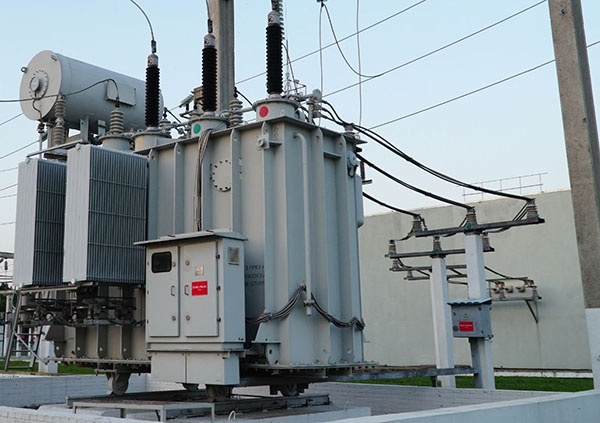
Transformer oil analysis is a cornerstone of preventative maintenance in the electric power industry. By regularly testing transformer oil, you can detect early signs of degradation, moisture ingress, and contamination—issues that could lead to costly failures if left unchecked. However, understanding the results of these tests can be challenging for professionals without a deep background in oil analysis. In this article, we’ll explore how to interpret transformer oil analysis results, why they matter, and how to act on the findings to optimize transformer performance and extend its lifespan.
Table of Contents
- Why Oil Analysis Results Matter
- Key Tests in Transformer Oil Analysis
- How to Interpret the Results
- Best Practices for Oil Management
- Troubleshooting Common Oil Issues
- Case Study: Interpreting Oil Analysis Results to Prevent Transformer Failure
- Future Trends in Transformer Oil Testing
- Conclusion
Why Oil Analysis Results Matter
Understanding and interpreting transformer oil analysis results is crucial for the health of the transformer. Transformer oil is responsible for providing electrical insulation and cooling the transformer’s core. Over time, the oil can degrade due to factors such as heat, moisture, and contamination. This degradation can lead to a range of issues, from reduced insulation strength to overheating and even complete transformer failure.
By regularly conducting oil tests and correctly interpreting the results, you can:
- Detect potential issues early: Identifying problems such as moisture or excessive acidity before they cause failure.
- Optimize transformer life: Extend the operational life of your transformer by addressing issues in a timely manner.
- Improve safety: Reducing the risk of catastrophic transformer failures, which could lead to significant downtime, repair costs, and safety hazards.
I’ve seen firsthand how early intervention based on oil analysis can save a transformer. One of the transformers in my earlier experience showed elevated acidity levels in its oil, signaling that the insulation materials were beginning to degrade. Rather than waiting until the issue caused a failure, we performed a minor oil treatment, which extended the life of the transformer by several more years.
Key Tests in Transformer Oil Analysis
Several key tests are commonly conducted during transformer oil analysis. Let’s break down these tests and what they measure:
Moisture Content
Moisture is one of the most damaging contaminants in transformer oil. Excess moisture can cause the oil’s insulating properties to degrade, leading to arcing and insulation breakdown. The moisture content is typically measured in parts per million (ppm).
- Ideal Levels: Less than 50 ppm
- Concerning Levels: Above 100 ppm
- Action Needed: Moisture removal via dehydration processes, such as vacuum drying or filtration.
Dielectric Strength
Dielectric strength is a measure of how well the oil can withstand electrical stress without breaking down. It is tested by applying a high voltage to a sample of oil until it breaks down. The oil’s dielectric strength will decrease over time due to contaminants like moisture, particulate matter, or chemical degradation.
- Ideal Levels: Greater than 30 kV
- Concerning Levels: Below 20 kV
- Action Needed: Filtration to remove particulate contaminants, or oil replacement if dielectric strength is too low.
Acidity and Total Acid Number (TAN)
Over time, transformer oil undergoes chemical reactions that produce acids. These acids can cause corrosion of the transformer’s internal components. The Total Acid Number (TAN) measures the acidity level in the oil, and a higher TAN indicates oil degradation.
- Ideal Levels: Between 0.1 and 0.3 mg KOH/g
- Concerning Levels: Above 1.0 mg KOH/g
- Action Needed: Oil filtration, or oil replacement in severe cases of contamination.
Dissolved Gas Analysis (DGA)
DGA is one of the most critical tests, as it helps detect faults inside the transformer before they become catastrophic. Gases such as hydrogen, methane, and acetylene are dissolved in transformer oil and can indicate various types of internal problems like overheating, arcing, or partial discharge.
- What It Means: A pattern of specific gases can help identify the type of issue:
- Hydrogen: Partial discharge
- Methane: Overheating or thermal degradation
- Acetylene: Electrical faults or arcing
- Action Needed: DGA results should be analyzed by a trained professional, and corrective action (e.g., maintenance or repairs) should be taken based on the gas types present.
How to Interpret the Results
Once the oil samples have been tested, it’s time to interpret the results. Here’s how to analyze the data from each of the common tests:
Moisture Content Interpretation
- Less than 50 ppm: The oil is in good condition and has adequate insulating properties.
- 50–100 ppm: Moisture is beginning to affect the oil. Immediate action is not required, but consider performing oil treatment or using moisture-absorbing equipment to address the issue.
- Above 100 ppm: High moisture levels are a serious concern and should be addressed immediately. If moisture levels are not reduced, it could lead to breakdowns of the transformer’s insulation system.
Dielectric Strength Interpretation
- Greater than 30 kV: The oil is in excellent condition, and the transformer is operating optimally.
- Between 20–30 kV: The oil is starting to degrade. Filtration or oil replacement may be necessary depending on contamination levels.
- Below 20 kV: The oil is significantly degraded and is no longer providing adequate insulation. Immediate filtration or replacement of the oil is needed to prevent transformer failure.
Acidity and TAN Interpretation
- Between 0.1 and 0.3 mg KOH/g: The oil is in good condition, and there’s little to no risk of internal damage.
- Between 0.3 and 0.5 mg KOH/g: The oil is showing signs of oxidation. Filtration or oil rejuvenation might be needed.
- Above 1.0 mg KOH/g: The oil has oxidized extensively, and immediate oil replacement is necessary to prevent transformer damage.
DGA Interpretation
- Normal gas levels: Indicates a healthy transformer, free of electrical faults.
- Hydrogen and methane: Indicates partial discharge and overheating. Depending on the levels, additional investigation may be necessary.
- Acetylene: Typically signals severe arcing or sparking inside the transformer. Immediate attention and potential repairs are required.
Best Practices for Oil Management
Proper interpretation of oil analysis results is only effective if coupled with best practices in oil management. Here are some key recommendations:
- Regular Sampling: Perform oil sampling every 1–2 years, or more frequently for aging transformers or those with irregular operating conditions.
- Proper Filtration: Implement regular filtration procedures to keep the oil clean and prevent contamination build-up.
- Timely Replacements: When the oil reaches concerning contamination levels, replace it as soon as possible to prevent damage to transformer components.
- Real-time Monitoring: Consider installing online monitoring systems to track key oil parameters in real-time. This allows for proactive maintenance based on real-time data.
Troubleshooting Common Oil Issues
High Moisture Content
If oil tests reveal excessive moisture levels, it’s essential to act quickly to prevent insulation damage. Use dehydration techniques, such as vacuum drying or installing desiccants, to remove the moisture from the oil. Additionally, check for leaks in the transformer seals to prevent future moisture ingress.
Low Dielectric Strength
Low dielectric strength typically indicates contamination in the oil. Filtration or oil replacement is needed to restore the oil’s insulating properties. If the oil continues to degrade rapidly, investigate the transformer’s internal condition to identify the root cause.
Elevated Acidity
If oil testing reveals a high TAN, the oil is likely undergoing oxidation. Implement regular filtration or consider using specialized oil treatment methods to reduce acidity levels and prevent damage to the transformer’s internal components.
Case Study: Interpreting Oil Analysis Results to Prevent Transformer Failure
At one power plant, we encountered a situation where DGA testing revealed high levels of acetylene in the oil. This gas is typically associated with severe electrical faults, such as arcing. Upon inspection, we discovered a faulty tap changer that was causing electrical arcing inside the transformer. By acting on the DGA results and repairing the tap changer, we were able to prevent a catastrophic failure and save the transformer from expensive damage.
Conclusion
Interpreting transformer oil analysis results is a critical skill for electrical testing professionals. By understanding key parameters such as moisture content, dielectric strength, acidity, and gas levels, you can make informed decisions about when to perform maintenance and how to act on potential issues. Proper oil management will not only extend transformer life but also reduce the risk of costly failures and ensure the reliability of your power systems.
By adopting best practices, staying vigilant in testing, and utilizing emerging technologies, you can unlock the full potential of transformer oil analysis and keep your transformers running at their best.

 Russian
  English
  German
  Spanish
  French
  Portuguese
  Vietnamese
  Afrikaans
  Amharic
  Arabic
  Aragonese
  Moroccan Arabic
  Assamese
  Azerbaijani
  South Azerbaijani
  Belarusian
  Bulgarian
  Bengali
  Tibetan
  Bosnian
  Catalan
  Czech
Czech  Danish
  Welsh
Welsh  Lower Sorbian
  Dzongkha
  Greek
Greek  Esperanto
  Estonian
  Basque
  Finnish
  Indonesian
  Italian
  Malayalam
  Latvian
  Panjabi
  Romanian
  Slovenian