
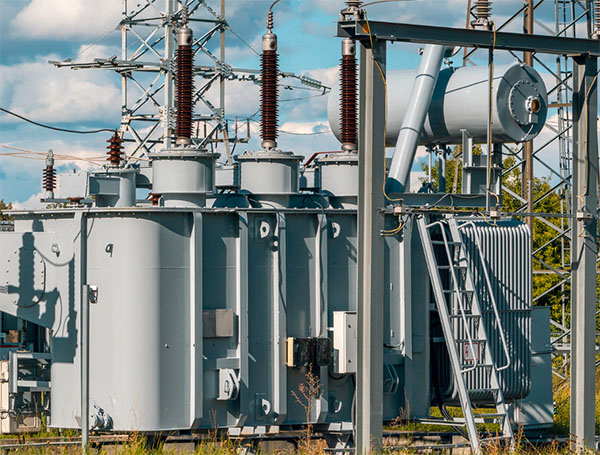
Rated voltage taps are essential for ensuring transformer performance, especially under varying load conditions. Understanding how these taps function and how to maintain them is critical for transformer engineers and electric power industry workers. In my years of experience, I’ve seen many avoidable issues arise from misunderstandings about voltage taps. In this article, we’ll dive into everything you need to know about rated voltage taps, their role in transformer efficiency, and best practices for their operation and maintenance.
What Are Rated Voltage Taps?
Rated voltage taps, commonly known as tap changers, are devices that adjust the turns ratio of the transformer to regulate voltage output. These taps allow transformers to maintain a stable voltage output despite fluctuations in input voltage or load. For transformer engineers, understanding how these taps work and why they are important is crucial for optimizing transformer performance.
Types of Voltage Taps
There are two primary types of voltage taps:
- On-Load Tap Changers (OLTC): Can adjust voltage without de-energizing the transformer, ideal for systems requiring continuous power.
- Off-Load Tap Changers (OLTC): Require the transformer to be de-energized before voltage adjustments can be made. These are typically used in transformers where voltage changes are less frequent.
Both types serve critical roles, but understanding which is appropriate for your application can make a significant difference in operational efficiency.
The Role of Voltage Taps in Transformer Performance
Voltage taps play an essential role in ensuring transformers operate efficiently across varying load conditions. Their primary function is to regulate voltage to ensure that the transformer’s output matches the system’s needs. The ability to adjust voltage helps minimize electrical losses and maintain system stability.
Voltage Regulation for Different Load Conditions
Voltage taps ensure that even as load conditions change, the transformer can maintain consistent voltage levels. This is especially important in systems with fluctuating loads, where stable voltage is crucial for preventing equipment damage and maintaining power quality.
Preventing Overheating and Damage
Incorrect voltage levels can lead to overheating in transformer windings, which degrades insulation and can lead to premature equipment failure. Tap changers help prevent this by maintaining optimal voltage, reducing the risk of overheating and extending the lifespan of the transformer.
How to Select the Correct Voltage Tap Setting
Choosing the correct tap setting depends on the voltage requirements of the system and load conditions. Here are some practical tips for selecting the right tap:
Analyzing Load Requirements
Understand the load profile of the system. For systems with highly variable loads, on-load tap changers provide more flexibility to adjust on the fly. For more stable systems, off-load tap changers might be sufficient.
Monitoring Voltage Levels
It’s critical to constantly monitor the voltage levels at both the primary and secondary sides of the transformer. This ensures that any adjustments made to the tap settings effectively maintain optimal voltage for the system.
Field Example – Adjusting Tap Settings Under Load
In one of my earlier field jobs, we were working with a transformer feeding a heavy industrial plant. The load fluctuated significantly during peak production hours, and without regular adjustments to the tap settings, voltage drops occurred, leading to inefficiencies and equipment wear. Once we optimized the tap settings and implemented OLTCs, the system ran more smoothly, reducing downtime.
Common Issues with Voltage Taps and How to Address Them
Despite their importance, voltage taps are often overlooked during routine maintenance, leading to problems such as poor voltage regulation and mechanical failures.
Wear and Tear on Tap Changers
Over time, tap changers experience mechanical wear, especially OLTCs, which operate under load. This can lead to poor contact between tap positions, resulting in arcing, voltage inconsistencies, or even failure.
- Practical Solution: Schedule regular inspections and maintenance, particularly for OLTCs. Check for signs of wear, such as pitted contacts or excessive carbon buildup, and replace components as needed.
Faulty Connections
Loose or corroded connections at the tap changer can lead to increased resistance, heat buildup, and voltage drop. This not only affects efficiency but can also cause damage to both the tap changer and the transformer.
- Expert Advice: Always include a thorough inspection of tap changer connections as part of your routine maintenance protocol. Ensure that all connections are secure and free of corrosion.
Incorrect Tap Settings
Setting the wrong tap position can cause either overvoltage or undervoltage conditions, leading to potential equipment failure or reduced efficiency. In systems with fluctuating loads, failing to adjust tap settings regularly can result in operational issues.
- Field Example: I once encountered a transformer that had been consistently running at an incorrect tap setting for months, resulting in significant energy losses and overheating. After adjusting the tap to the correct position, the transformer’s performance improved immediately, and the energy losses were reduced by over 15%.
Best Practices for Maintaining Voltage Taps
To ensure long-term reliability and performance, voltage taps require regular maintenance and testing. Here are some best practices for maintaining your voltage taps.
Routine Testing and Monitoring
Regularly test tap changers, especially OLTCs, to ensure they are functioning correctly. Use testing methods such as dynamic resistance measurement (DRM) and insulation resistance testing to identify any early signs of failure.
Documenting Tap Settings and Performance
Always document any changes made to tap settings and monitor transformer performance following those changes. Keeping detailed records allows you to spot trends and diagnose issues before they lead to significant problems.
Schedule Regular Inspections
Include tap changers in your transformer’s scheduled maintenance program. Inspections should focus on mechanical integrity, contact wear, insulation condition, and oil quality for oil-filled transformers.
The Future of Voltage Taps in Transformer Technology
With the increasing complexity of electrical grids, voltage taps are becoming more advanced. Modern tap changers are integrating smart monitoring technologies, allowing real-time adjustments and data collection.
Smart Tap Changers
Smart tap changers provide continuous monitoring and adjustment capabilities, improving system efficiency and reducing the need for manual intervention. These systems automatically adjust to changing load conditions, optimizing voltage output and minimizing energy losses.
Remote Monitoring
Advances in remote monitoring technology are making it easier for engineers to track the performance of tap changers from anywhere. This means fewer trips to substations for manual inspections and the ability to spot issues before they become critical.
Rated voltage taps are critical components for ensuring that transformers operate efficiently under varying load conditions. As a transformer engineer, understanding how these taps work, how to select the correct tap settings, and how to maintain them can greatly improve transformer performance and longevity. Regular testing and proper maintenance are key to avoiding the common pitfalls associated with tap changers.
In my experience, transformers equipped with well-maintained tap changers last significantly longer and operate more efficiently. By staying vigilant with your tap settings and maintenance, you can ensure that your transformers remain reliable, helping to avoid costly failures and system downtime.
Never underestimate the role of rated voltage taps—get to know them, maintain them, and they’ll serve your transformer well for years to come!

 Slovenian
  English
  German
  Spanish
  French
  Portuguese
  Vietnamese
  Afrikaans
  Amharic
  Arabic
  Aragonese
  Moroccan Arabic
  Assamese
  Azerbaijani
  South Azerbaijani
  Belarusian
  Bulgarian
  Bengali
  Tibetan
  Bosnian
  Catalan
  Czech
Czech  Danish
  Welsh
Welsh  Lower Sorbian
  Dzongkha
  Greek
Greek  Esperanto
  Estonian
  Basque
  Finnish
  Indonesian
  Italian
  Malayalam
  Latvian
  Panjabi
  Romanian
  Russian