
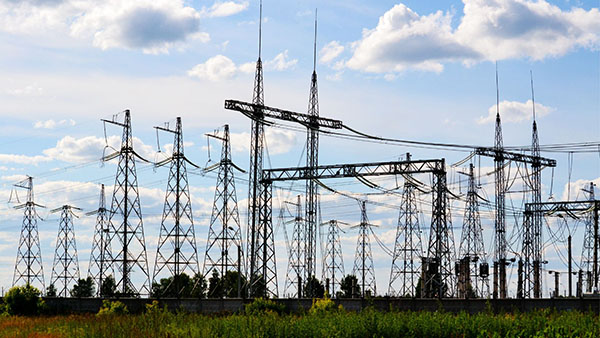
Cable failures can lead to significant operational disruptions and costly downtime in the electric power industry. As professionals, understanding the causes and implementing effective testing methods like Power Factor testing can help prevent these failures. In this article, we will explore how Power Factor testing is an essential tool for identifying cable issues before they escalate into major problems.
Understanding Cable Failures
Common Causes of Cable Failures
- Environmental Factors: Moisture, temperature fluctuations, and chemical exposure can degrade insulation over time.
- Mechanical Stress: Physical damage from installation procedures or external forces can compromise cable integrity.
- Aging: Over time, insulation materials can become brittle, leading to electrical faults.
Personal Anecdote: I recall a project where an underground cable system experienced repeated failures due to moisture ingress. By examining the cables and their installation conditions, we identified the root cause and implemented preventive measures that significantly reduced downtime.
The Importance of Early Detection
Identifying potential failures early can save time, resources, and money. Regular monitoring of cable health helps ensure reliable operation, reduces maintenance costs, and improves safety.
Introduction to Power Factor Testing
What is Power Factor Testing?
Power Factor testing measures the efficiency of insulation in electrical cables by evaluating the ratio of resistive current to total current. A higher power factor indicates higher losses due to insulation degradation, while a lower power factor signifies healthier insulation.
Why Power Factor Testing Matters for Cables
- Preemptive Maintenance: By regularly assessing the power factor, you can detect issues before they lead to catastrophic failures.
- Benchmarking Performance: Establishing baseline measurements allows you to track changes in insulation health over time.
Conducting Power Factor Testing on Cables
Preparing for the Test
- Select the Right Equipment: Use calibrated Power Factor testers that meet industry standards.
- Safety Precautions: Ensure all safety protocols are followed, including personal protective equipment (PPE) and proper isolation of the cable under test.
Performing the Test
- Test Setup: Connect the Power Factor tester to the cable, ensuring proper grounding and shielding to eliminate interference.
- Measurement Process: Conduct multiple tests to account for temperature variations and environmental conditions.
Interpreting Power Factor Test Results
Understanding Power Factor Values
- Acceptable Range: Generally, a power factor value below 0.5% is considered acceptable, while values above this threshold may indicate potential issues.
- Trend Analysis: Compare current results to historical data to identify trends indicating insulation degradation.
Responding to Test Results
- Action Plan for High Power Factor Values:
- Inspect cables for physical damage.
- Assess installation conditions for potential moisture ingress.
- Consider dielectric testing for a more comprehensive analysis.
Personal Anecdote: In one instance, a power factor test revealed an unexpected increase in the values for several cable sections. Further investigation led us to discover that environmental changes had allowed moisture to infiltrate the system. By addressing this issue promptly, we avoided potential failures and extended the lifespan of the cables.
Case Studies: Power Factor Testing in Action
Case Study 1: Industrial Facility
- Scenario: An industrial facility faced frequent cable failures.
- Approach: Implemented a routine Power Factor testing program.
- Results: Identified cables with degrading insulation and replaced them before any failures occurred, saving the company significant costs.
Case Study 2: Utility Company
- Scenario: A utility company experienced outages due to cable faults.
- Approach: Conducted comprehensive Power Factor testing across their network.
- Results: Successfully identified and remediated several at-risk cables, enhancing reliability and reducing outage frequency.
Best Practices for Power Factor Testing in Cable Maintenance
Establish a Regular Testing Schedule
Implementing a regular testing schedule based on the age and condition of your cables helps ensure timely detection of potential issues.
Combine Testing Methods
Consider integrating Power Factor testing with other diagnostic methods like Tan Delta testing or time-domain reflectometry (TDR) for a more comprehensive assessment of cable health.
Empowering Your Cable Maintenance Strategy
Incorporating Power Factor testing into your cable maintenance strategy is a proactive approach to identifying and mitigating potential failures. Regular assessments can lead to enhanced reliability, reduced downtime, and significant cost savings.
By understanding the importance of Power Factor testing and following best practices, electrical power industry workers can safeguard their operations and ensure the longevity of their cable systems.
In my experience, embracing this testing methodology not only enhances equipment reliability but also fosters a culture of safety and efficiency in the workplace. Don’t wait for a cable failure to happen—be proactive and take control of your cable maintenance strategy today!

 Vietnamese
  English
  German
  Spanish
  French
  Portuguese
  Afrikaans
  Amharic
  Arabic
  Aragonese
  Moroccan Arabic
  Assamese
  Azerbaijani
  South Azerbaijani
  Belarusian
  Bulgarian
  Bengali
  Tibetan
  Bosnian
  Catalan
  Czech
Czech  Danish
  Welsh
Welsh  Lower Sorbian
  Dzongkha
  Greek
Greek  Esperanto
  Estonian
  Basque
  Finnish
  Indonesian
  Italian
  Malayalam
  Latvian
  Panjabi
  Romanian
  Slovenian
  Russian